Hormel Foods Maintains 60-Year Dividend Increase Amid Shrinking Raises
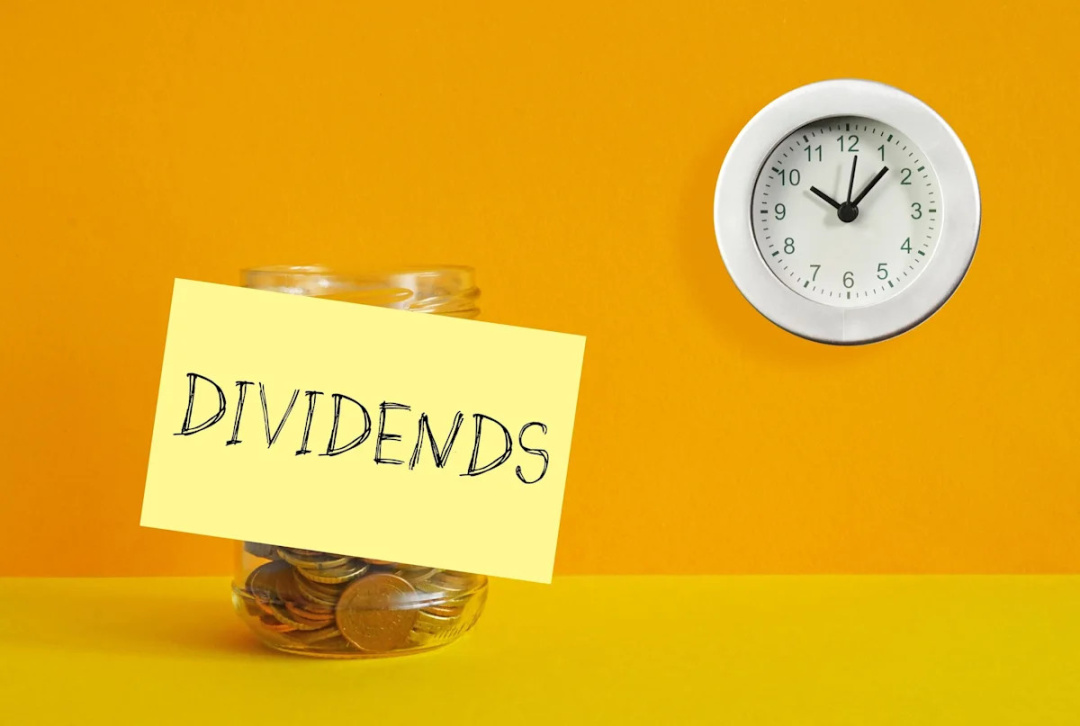
Hormel Foods has marked a significant milestone by confirming 60 consecutive years of dividend increases, a feat that earns it a place among the market's Dividend Kings. However, a closer examination reveals that the latest increase, a mere 1% bump to an annualized rate of $1.17 per share, is struggling to keep pace with inflation, which has seen the Consumer Price Index rise significantly over the past year.
The dividend history of Hormel shows a consistent pattern of increases, but the most recent adjustments have been smaller than in previous years. For instance, the quarterly dividend was raised from $0.29 to $0.2925, a modest increase compared to earlier increments. This trend raises questions about the company's ability to maintain its dividend growth in a challenging economic environment characterized by rising costs.
Market Reading & Resources
Sponsor funding complete. Trade on.
Interim CEO Jeff Ettinger acknowledged the achievement, stating that the 60-year streak is a legacy the company is proud of. However, for investors relying on dividend income, the reality is that the purchasing power of these dividends is eroding due to ongoing inflation in grocery and service prices.
Despite these challenges, Hormel's financial health appears stable. The company reported returning $161 million to shareholders in dividends during the second quarter of fiscal 2026, marking its 391st consecutive quarterly payout. With $827 million in cash on hand and a significant increase in operating cash flow, Hormel seems well-positioned to continue its dividend payments, even if the growth rate has slowed.
The current market conditions reflect a broader trend among packaged food companies, where many are opting for smaller annual dividend increases. Hormel's approach places it between companies like McCormick & Company, which has also adopted smaller raises, and Kraft Heinz, which has restructured its payouts. While Hormel's dividend streak remains intact, the growth associated with it has become less robust, signaling a shift in the company's dividend strategy.
Investors today are likely purchasing shares for stability and yield rather than expecting significant dividend growth. Hormel's 60-year record is a testament to its reliability, but the nature of that reliability is evolving, reflecting the pressures of the current economic landscape.