Goolsbee Urges Aggressive Rate Action as Inflation Remains at 3.7%
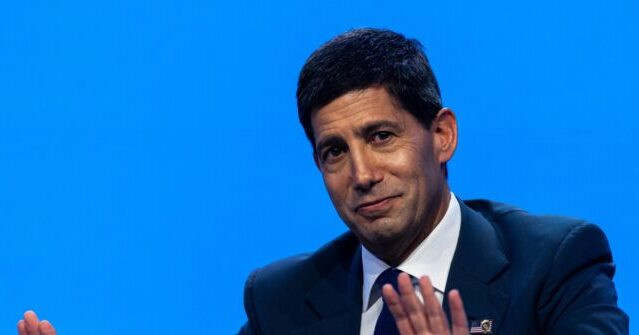
Chicago Fed President Austan Goolsbee has made it clear that the Federal Reserve may need to take more aggressive action on interest rates to bring inflation back toward its 2% target. Speaking at the Official Monetary and Financial Institutions Forum in London on September 21, Goolsbee pointed out that with inflation at 3.7% as of July 2026, nearly double the Fed's goal, the central bank can no longer view rising prices as a temporary issue. The timeline for reaching the 2% target has now been pushed back to 2027, indicating the persistent nature of the current inflationary cycle.
Goolsbee's remarks reflect a significant shift in the inflation narrative. Historically, the Fed has differentiated between supply-driven price increases, such as those caused by tariffs and energy shocks, and demand-driven inflation. However, Goolsbee argues that the supply shocks have proven to be long-lasting, creating a consistent upward pressure on prices. He specifically identified elevated inflation in the service sector and increased investment in AI data centers as key contributors to the current economic situation. The influx of billions into computing infrastructure is not merely a technological issue; it also represents a broader demand story that is driving up costs across various sectors, including construction and energy.
Market Reading & Resources
Sponsor funding complete. Trade on.
This perspective is not new for Goolsbee, who previously dissented against a rate cut by the FOMC in December 2025, asserting that the progress on inflation was insufficient to warrant easing. His recent comments suggest he remains firmly in the hawkish camp. The Fed had initially anticipated that inflation would peak around the fourth quarter of 2025, but that forecast has now been extended to 2027, indicating a significant delay in addressing inflationary pressures.
Goolsbee cautioned that the path back to the 2% inflation target will require higher interest rates, which could slow economic growth and exert pressure on employment. Despite the strong language in his speech, market reactions were relatively subdued following his remarks.