Federal Reserve Minutes Indicate Potential Rate Hikes, Bitcoin Drops
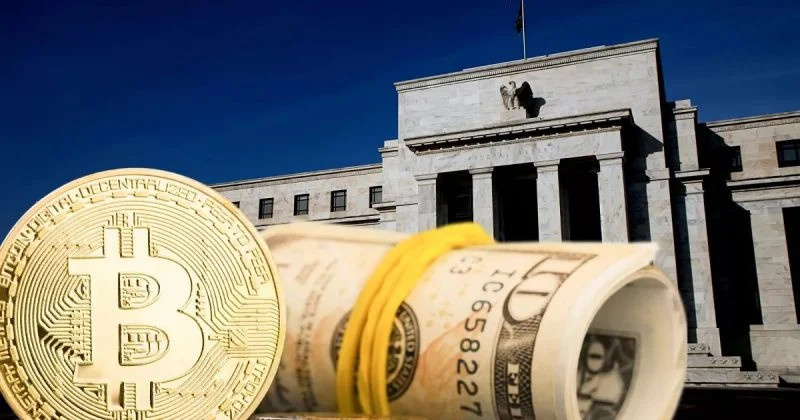
The Federal Reserve's latest minutes from the June 16-17 FOMC meeting, released on July 8, indicate a growing consensus among policymakers regarding potential interest rate hikes. While rates were held steady at 3.5%-3.75%, nine of the 18-19 FOMC participants now expect at least one increase before the end of 2026, driven by persistent inflation pressures. The minutes included a notable statement suggesting that "some policy firming would likely become appropriate" if inflation continues to exceed the 2% target.
The committee's discussions identified several ongoing inflation drivers, including supply shocks linked to instability in the Middle East, tariff-related price pressures, and significant capital investments in artificial intelligence technology. The surge in spending on data centers, chips, and computing infrastructure is contributing to inflationary pressures, as companies invest heavily in AI development, leading to increased costs for energy, construction, and specialized labor.
Market Reading & Resources
Sponsor funding complete. Trade on.
Bitcoin's response to the Fed's minutes was immediate, with a 2.7% decline to approximately $62,240. This drop reflects market participants recalibrating their risk exposure in light of the Fed's evolving stance on monetary policy. The current federal funds rate is already exerting considerable pressure on borrowing costs across the economy, and a majority of FOMC members indicated that further tightening could be warranted if inflation remains elevated.
During the Fed's aggressive tightening cycle from 2022 to 2023, Bitcoin experienced a significant decline, losing over 60% of its value from peak to trough. Additionally, stablecoin yields and decentralized finance (DeFi) lending rates typically align with broader interest rate trends. Should the Fed proceed with further tightening, on-chain yields may shift, influencing capital flows within the crypto ecosystem. Protocols offering fixed-rate products could see increased demand, while variable-rate lending platforms might experience outflows as users seek more stable options.