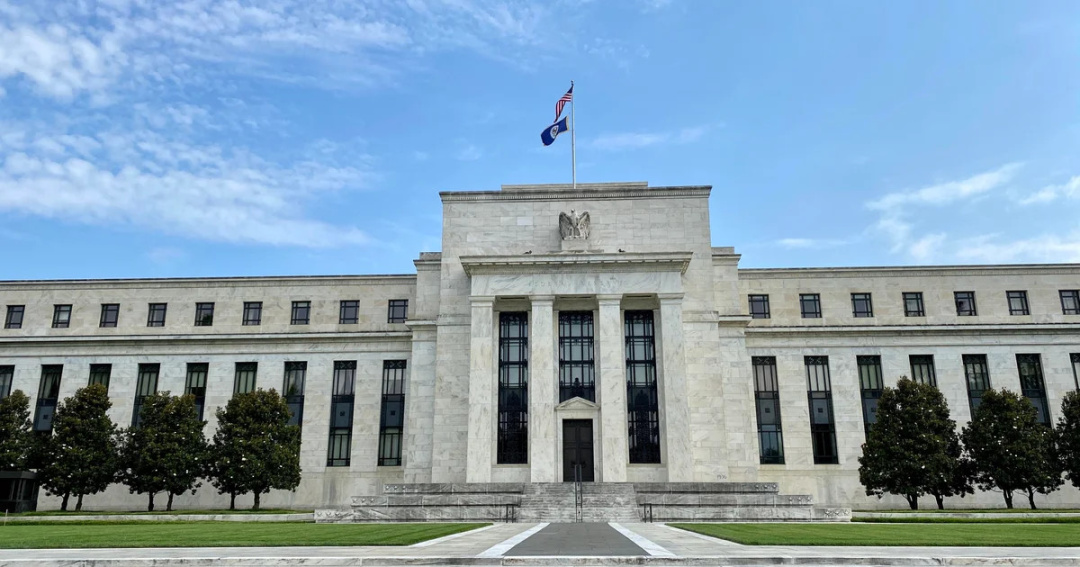
Federal Reserve Increases Interest Rates for First Time Since 2023

On September 16, 2026, the Federal Reserve raised its benchmark interest rate by 25 basis points, bringing the federal funds target range to 3.75% to 4.00%. This decision, made with a unanimous vote from the Federal Open Market Committee, is significant as it marks the first rate increase in more than three years and the first under the leadership of Fed Chair Kevin Warsh. The central bank continues to navigate a complex economic landscape characterized by persistent inflation and a resilient labor market.
Inflation is projected at a median Personal Consumption Expenditures (PCE) rate of 3.7% for 2026, significantly above the Fed's target of 2%. Contributing factors include rising energy prices, influenced by geopolitical tensions related to the Iran conflict, which have sustained price pressures despite solid economic growth. The low unemployment rate provides the Fed with the flexibility to tighten monetary policy without risking an economic downturn.
Market Reading & Resources
Sponsor funding complete. Trade on.
The last interest rate hike occurred in July 2023, during which the Fed had previously cut rates multiple times as inflation appeared to decrease. Policymakers have indicated the possibility of at least one more rate increase before the end of the year, with the median projection for the federal funds rate expected to reach 4.1% into 2027.
In light of the rate hike, discussions are underway regarding pass-through rates, which determine how much of the Fed's rate increase banks will reflect in the interest paid to commercial clients. Current expectations suggest a pass-through rate of 60% to 90%, which could significantly impact companies holding substantial short-term cash reserves.
Major banks have responded swiftly, with JPMorgan and BNY Mellon raising their prime lending rates to 7%. Additionally, two-year Treasury yields have risen to 4.7%, establishing a benchmark for short-term investment returns and providing corporate treasurers with a solid reference point when negotiating deposit offers.
Money market funds are now yielding close to 4%, presenting an attractive option for corporate cash that might otherwise remain in low-yield operating accounts. This shift in interest rates compels treasury teams to reevaluate their cash management strategies as they adapt to the changing financial landscape.