Bank of Japan Raises Interest Rates to 1.25%, Highest in 31 Years
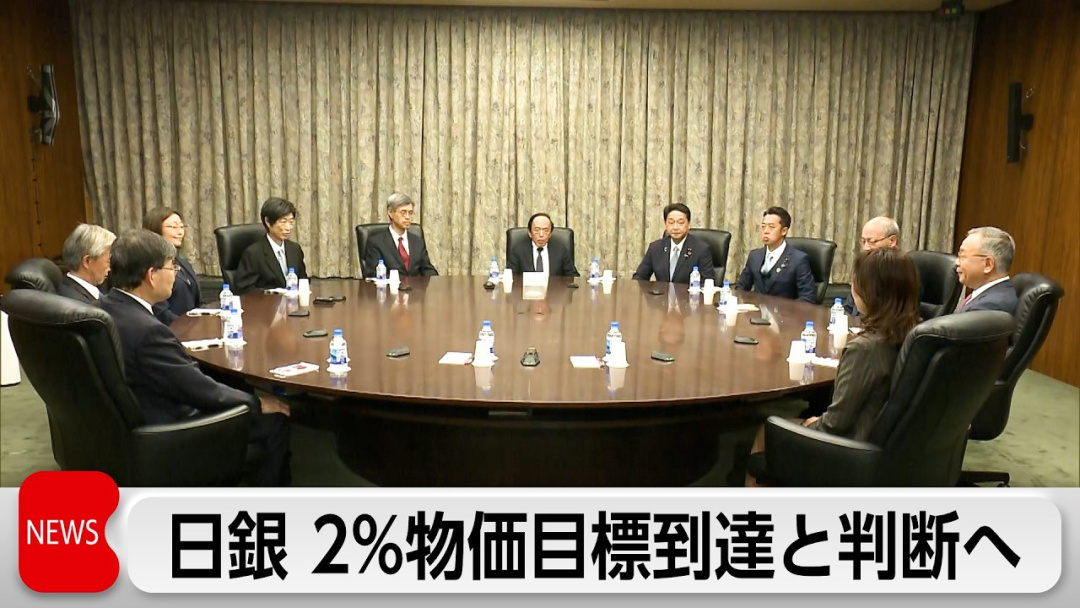
The Bank of Japan raised its policy interest rate from 1.0% to 1.25% on September 18, marking the highest borrowing costs in 31 years. This increase is part of a broader strategy to address persistent inflation and concerns regarding fiscal expansion that have been putting upward pressure on interest rates. The decision signifies a shift away from the ultra-low-rate policies that have characterized Japan's economy for decades. Previously, the Bank had been raising rates approximately every six months, but this latest increase occurred just three months after the last adjustment.
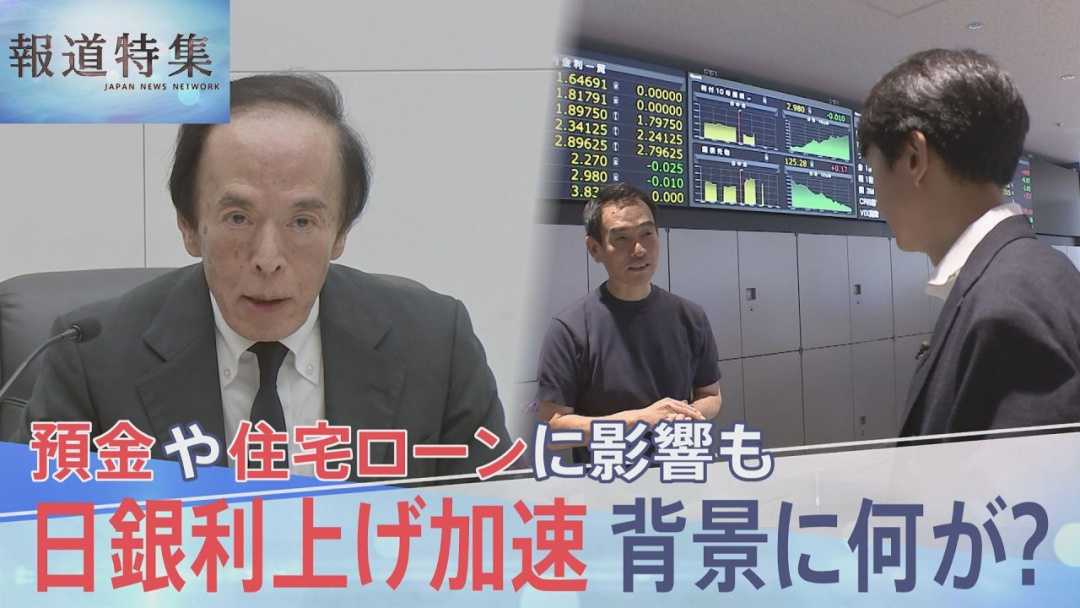
The decision was not unanimous, with two members of the Bank's Policy Board opposing the increase, raising speculation in financial markets about potential resistance to future rate hikes. Following the announcement, the yen weakened, briefly dropping into the 157-yen range against the dollar, its lowest level in about two weeks. Market attention then turned to comments from BOJ Governor Kazuo Ueda, who indicated that underlying inflation was nearing 2% and emphasized the need to stabilize it around that level. Ueda's remarks suggested a potential for further tightening, although they were not included in the official statement.
Market Reading & Resources
Sponsor funding complete. Trade on.
For households, the immediate impact of the rate increase will be felt through higher variable mortgage rates, which are likely to increase monthly repayments and add financial pressure. One couple reported that their variable-rate mortgage, which they took out for 60 million yen over 40 years, has made housing costs significantly higher compared to a decade ago.
Inflation has been a driving factor behind the BOJ's decision to raise rates. Consumer prices, which had fallen during parts of the COVID-19 pandemic, surged following global events such as Russia's invasion of Ukraine. This inflationary environment is also affecting sectors like agriculture, where farmers require substantial capital for expansion and modernization. Takahiro Yamaguchi, a rice farmer, noted that rising interest rates could hinder his plans for further investment in his operations, which have already required significant borrowing.
While higher interest rates pose challenges for borrowers, they also benefit savers. Following the BOJ's rate hike, Japan's major banks announced increases in ordinary deposit rates, with one bank revamping its savings products to offer higher rates based on deposit size. This shift has led to a surge in applications for new accounts.
However, for businesses, particularly small and midsize enterprises that make up a significant portion of Japan's economy, rising borrowing costs are a growing concern. A restaurant owner highlighted how interest rates on loans have skyrocketed from 0.19% to 3.2% over three years, significantly impacting financial planning. Small businesses are increasingly hesitant to borrow as financing costs rise, with estimates suggesting that a further one percentage point increase in rates could push the proportion of companies operating at a loss from 27.7% to around 31%.
The BOJ's commitment to continue raising rates is influenced by fiscal policy considerations, as the government seeks to balance economic growth with sustainable public finances. Recent budget requests have reached record levels, raising concerns about the potential for increased inflationary pressure and the need for the BOJ to tighten monetary policy more rapidly. As Japan navigates this new financial landscape, the implications of higher interest rates will be felt across households, businesses, and the broader economy.