Federal Reserve Officials Signal Potential for Future Rate Hikes
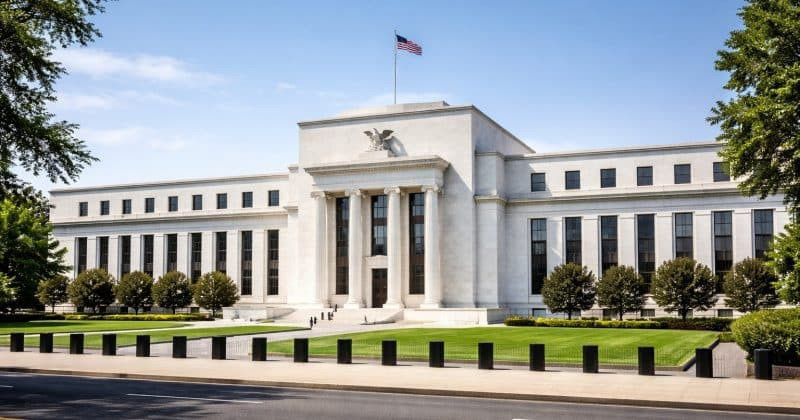
Federal Reserve officials decided to keep the federal funds rate unchanged at 3.50% to 3.75% during their June 16 and 17 meeting. However, the minutes from the meeting indicate a notable shift in the central bank's stance, moving away from a clear inclination towards rate cuts. The Federal Open Market Committee (FOMC) unanimously voted to hold rates steady, eliminating previous language that suggested a bias toward easing monetary policy.
The minutes highlighted that economic activity is expanding at a solid pace, with a stable labor market, yet inflation remains elevated compared to the Fed's target of 2%. Inflation has re-emerged as a central topic in policy discussions, with participants citing several factors contributing to renewed price pressures, including tariffs, supply chain disruptions related to the Middle East conflict, rising energy costs, and increased demand stemming from investments in artificial intelligence.
Market Reading & Resources
Sponsor funding complete. Trade on.
In light of these developments, Fed staff raised their inflation forecasts for the current year and the next, cautioning that risks to inflation are skewed to the upside. This complex economic landscape has led to divided opinions among officials regarding future policy directions. While all participants agreed to maintain the current rate, some argued for the necessity of rate hikes if inflation remains stubbornly high.
Most officials also considered scenarios where inflation could persist due to ongoing demand from AI, tariffs, or geopolitical tensions, suggesting that further tightening of policy may be warranted under such conditions. The labor market's stability provides the Fed with some leeway to prioritize inflation control. Officials noted that unemployment rates have remained relatively unchanged, job growth is keeping pace with workforce expansion, and wage growth does not appear to be exerting significant upward pressure on inflation. This situation diminishes the urgency for policy easing, even as borrowing costs remain elevated.
A significant takeaway from the meeting was the shift in communication strategy. A majority of participants supported a more concise post-meeting statement and preferred to avoid reiterating language that suggested future easing. Instead, the statement underscored the Fed's commitment to achieving price stability.
For market observers, the minutes suggest a more conditional approach from the Fed. While rate cuts remain a possibility if inflation pressures diminish, the threshold for such actions has been raised. Should inflation remain robust while growth and employment figures hold steady, officials appear increasingly inclined to maintain elevated rates or consider further hikes.