Federal Reserve Raises Interest Rates Amid Positive Economic Projections
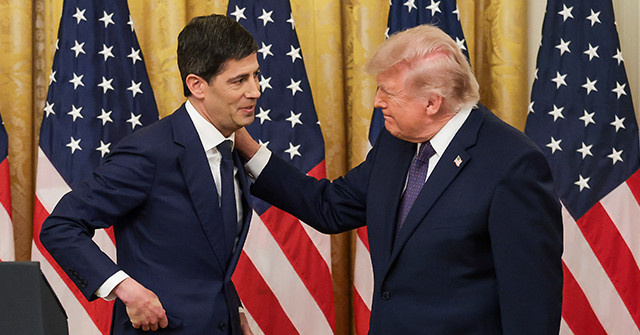
The Federal Open Markets Committee (FOMC) has raised the federal funds rate by a quarter of a percentage point, a move that aligns with widespread expectations. This decision comes alongside the release of the Summary of Economic Projections, which reveals that Fed officials are increasingly optimistic about real economic growth and the labor market. Contrary to media speculation, President Trump did not express discontent with the rate hike, suggesting a possible alignment with the Fed's growth outlook.
In recent weeks, the yield on the 30-year Treasury bond has decreased slightly, indicating a shift in investor sentiment. A key takeaway from the Fed meeting is the longer-run estimate of the federal funds rate, which has seen a gradual increase from 2.5 percent in 2019 to 3.2 percent at the latest meeting. This change reflects a broader reassessment of the natural rate of interest, which is believed to be necessary for full employment and price stability.
Market Reading & Resources
Sponsor funding complete. Trade on.
The Fed's projections indicate a downward revision in the unemployment rate for the coming years, coupled with an upward revision in economic growth forecasts. Core PCE inflation estimates have also been adjusted, suggesting that inflation expectations remain stable at around 2 percent. This indicates that the Fed believes the federal funds rate should be higher than the inflation target, a notable shift from previous years when rates were kept near zero.
The Fed's recent history shows a consistent decline in the longer-run rate estimate, which had been attributed to factors such as secular stagnation and a savings glut. However, recent projections suggest a more robust economic outlook, with Fed officials now expecting GDP growth to exceed previous estimates.
In the near term, the Fed anticipates real growth of 2.3 percent this year and 2.4 percent next year, with projections for 2028 and 2029 also indicating growth above the long-term average. Notably, no downside risks to growth have been identified in the latest projections, marking a significant change in the Fed's outlook.
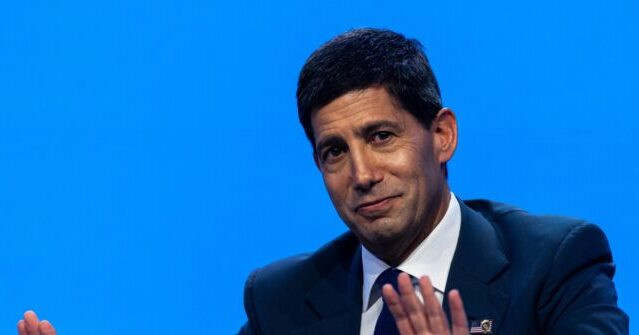
During the press conference, Fed Chair Kevin Warsh emphasized that he does not view business investment or low unemployment as inflationary pressures, separating the discussions of growth and inflation. This perspective suggests a departure from traditional economic theories that link high employment with rising prices.
Overall, the Fed's latest projections reflect a more optimistic view of the economy, with expectations for improved productivity growth and a stable inflation environment. This shift could have lasting implications for monetary policy and economic strategy moving forward.