Inflation Erases Wage Gains for Workers Amid Ongoing Conflict
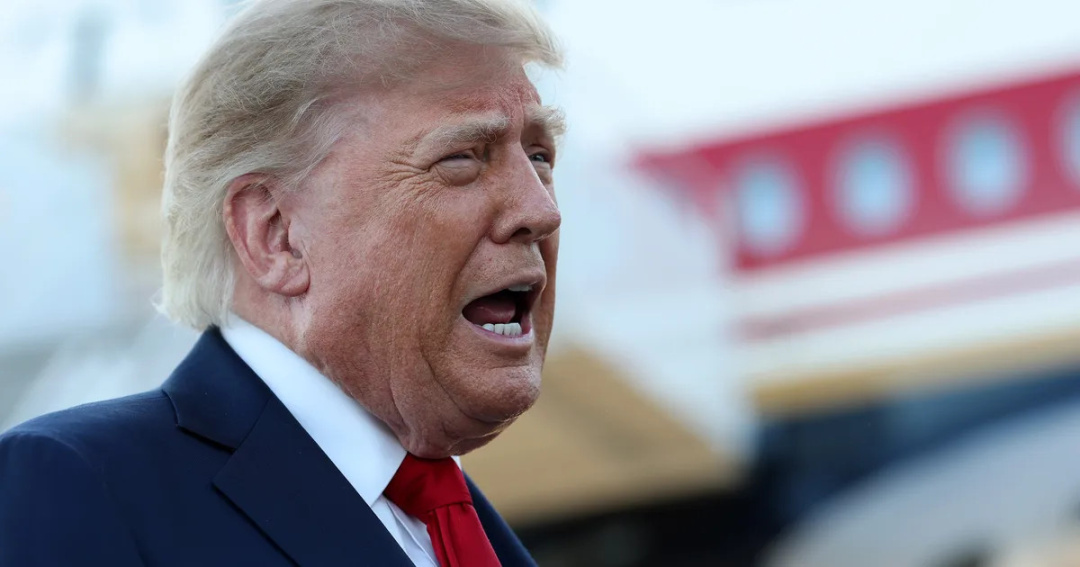
As the midterm elections draw near, President Donald Trump and Republican leaders face a significant challenge: inflation driven by the conflict in Iran has effectively erased the wage gains workers experienced over the past year. Recent economic data reveals that real wages, which account for the cost of living, have declined again, with a notable drop in August attributed to soaring energy prices. This decline marks a troubling trend, as real wages have decreased in four of the last five months, now standing 0.3% lower than in August 2025, according to the Bureau of Labor Statistics.
The implications of falling real wages extend beyond mere statistics; they represent a tangible pay cut for workers and contribute to growing dissatisfaction with the economy. This situation contradicts the promises made by Trump and Republican leaders during their unified control of government. The ongoing conflict in Iran has led to skyrocketing gasoline and diesel prices, which in turn have driven up costs for food, energy, and transportation.
Market Reading & Resources
Sponsor funding complete. Trade on.
While the overall economy remains robust and unemployment rates are low, workers find themselves lacking the leverage they once had during the pandemic recovery. The job market has shifted to a "low-hire, low-fire" environment, where layoffs are minimal, but employers are not compelled to increase wages to retain employees. Economists note that this stagnation in wage growth is exacerbated by inflation, which continues to erode purchasing power.
The inflation rate saw a 0.4% increase last month, with rising gas prices contributing significantly to this uptick. The cost of essential goods, including food and housing, has also risen sharply. Currently, gas prices average $4.47 per gallon, a nearly 40% increase from the previous year, while diesel fuel has reached an all-time high of $6.45 per gallon, impacting the entire consumer economy.
As Trump navigates the complexities of the conflict in Iran, he has made various claims regarding fuel prices, suggesting they will drop significantly. However, many voters are increasingly aware of the connection between rising prices and stagnant wages. Democratic representatives, such as Rep. James Walkinshaw, emphasize that constituents are recognizing that a pay freeze effectively amounts to a pay cut, given the rising costs of living.
Polling data indicates that voters are particularly concerned about the affordability of everyday expenses, with many expressing frustration over the disconnect between their wages and the rising cost of living. Democratic pollster Celinda Lake notes that discussions about wages have become more prominent among voters, highlighting a desire for policies that address both wage increases and price reductions.
Despite attempts by Republicans to shift focus to other issues, the reality of higher fuel prices and their impact on household budgets remains a pressing concern. As the election approaches, the economic narrative will likely continue to evolve, with voters increasingly connecting their financial struggles to the broader economic policies and decisions made by their leaders.