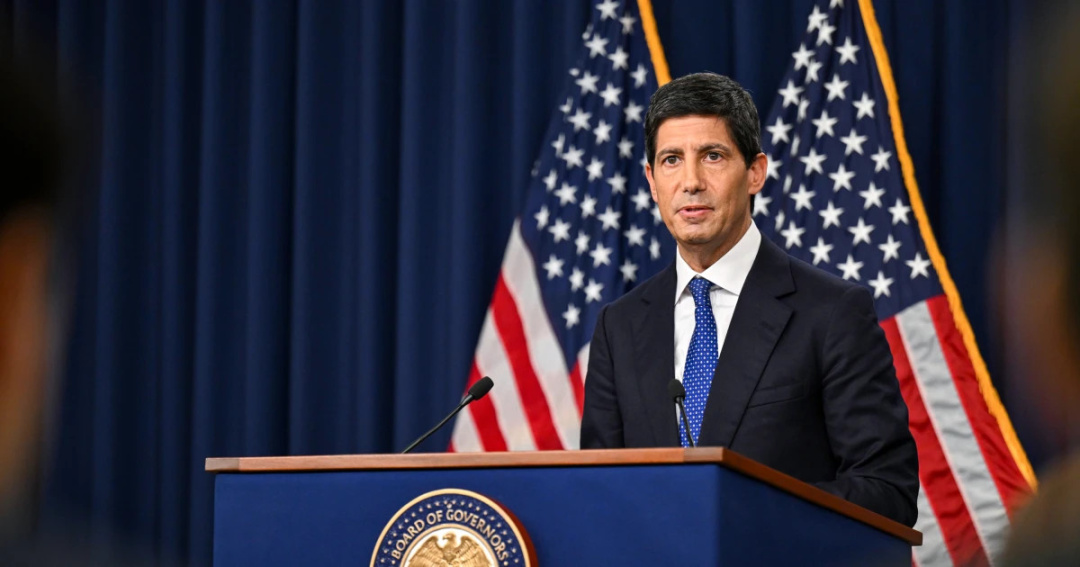
Federal Reserve Increases Interest Rates Amid Ongoing Inflation Challenges
The Federal Reserve has raised interest rates for the first time in three years, signaling a major shift in its monetary policy. This decision comes as inflation continues to pose a significant challenge, prompting discussions about its implications for the economy and American consumers. The Fed's action reflects confidence in the economy's strength, with solid growth, ongoing consumer spending, and business investments. However, the reality for many Americans is more complicated. They have endured years of rising prices, leading to adjustments in household budgets and increased reliance on credit cards, often at higher interest rates.
The term "resilient" is frequently used to describe the American consumer, but this resilience can stem from necessity rather than prosperity. Families are managing their finances under pressure, postponing purchases, and reconsidering significant investments like home buying. The Fed's rate hike aims to curb demand by making borrowing more expensive, which could slow down spending and investment. Yet, this approach does not address the supply-side issues contributing to inflation, such as rising energy prices and geopolitical tensions.
Market Reading & Resources
Sponsor funding complete. Trade on.
Economists emphasize that while monetary policy can suppress demand, it cannot directly influence supply. This distinction is crucial as the Fed's decision to raise rates is intended to cool inflation, but the effects will be felt immediately in the cost of borrowing. Consumers find themselves in a challenging position, facing higher costs for loans and mortgages while also grappling with the reality of inflation.
As the midterm elections approach, the political ramifications of the Fed's decision will be significant. Democrats may use the rate hike to argue that inflation remains a problem, while Republicans could point to external factors like energy prices and global events. Ultimately, voters are likely to focus on their personal experiences with rising costs, regardless of the broader economic narrative.
The Fed's decision serves as a reminder that while policymakers may debate the causes of inflation, consumers are acutely aware of their financial situations. They know the prices at the pump and in grocery stores, and they feel the weight of their credit card balances. As the economy navigates these turbulent waters, the disconnect between Washington's perspective and the everyday experiences of consumers will be a critical factor in the upcoming elections.