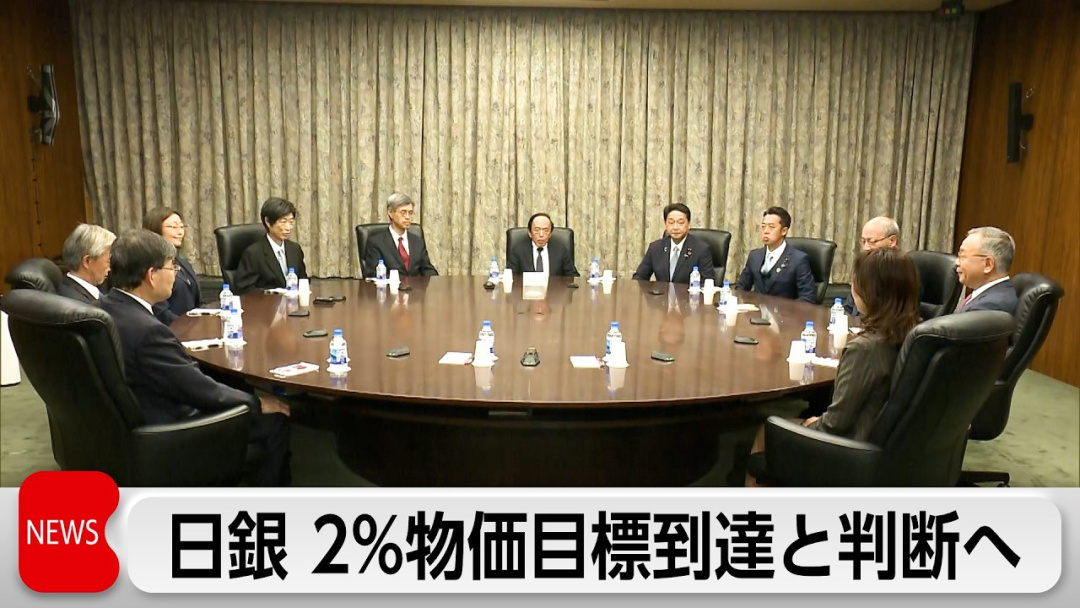
Bank of Japan Increases Interest Rates to 31-Year High to Combat Inflation
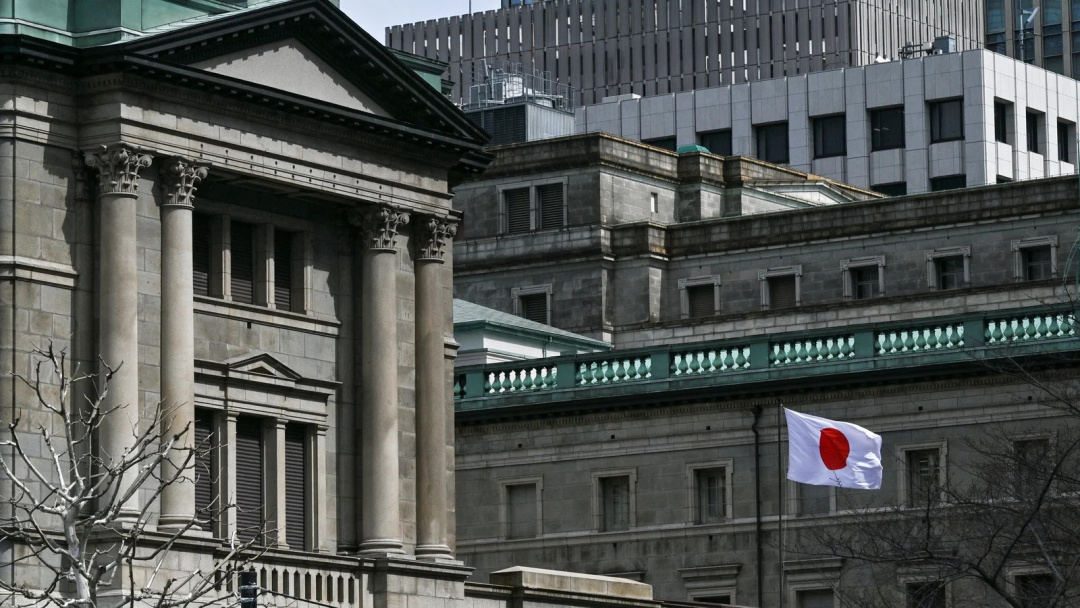
The Bank of Japan has raised its interest rates to a 31-year high, now set at 1.25%, in a move aimed at addressing ongoing inflation pressures exacerbated by soaring oil costs. This decision marks a significant shift as the central bank joins other major global financial institutions in tightening monetary policy to combat inflation. However, the anticipated rate hike did not bolster the yen, which fell as investors reacted to the lack of strong guidance from the bank and noted the presence of two dissenting votes among board members who advocated for a more cautious approach.
Hirofumi Suzuki, chief FX strategist at SMBC in Tokyo, remarked that while the rate hike was expected, the dissenting votes were a surprise to some market participants. This has led to tempered expectations regarding future rate hikes, creating a perception of a more dovish stance from the Bank of Japan.
Market Reading & Resources
Sponsor funding complete. Trade on.
The decision was made during a two-day meeting, where the board voted 7-2 in favor of the increase. The dissenters, Toichiro Asada and Ayano Sato, expressed concerns about the pace of rate increases. This hike follows similar actions by the European Central Bank and the Federal Reserve, highlighting a global trend in addressing inflation risks linked to various factors, including geopolitical tensions and increased demand for AI investments.
The Bank of Japan's statement indicated that while economic conditions are aligning with its forecasts, there remains a risk of inflation deviating from its 2% target. The central bank noted that wholesale inflation is still high, and price pressures are beginning to affect consumer prices as businesses pass on increased costs to consumers.
Market attention is now focused on Bank of Japan Governor Kazuo Ueda's upcoming news conference, where investors hope to gain insights into the future trajectory of rate hikes. Fred Neumann, chief Asia economist at HSBC, noted that the mixed signals from the bank leave uncertainty about the pace of monetary tightening.
This rate hike is the first in three months and reflects a gradual move away from the ultra-low rates that have characterized Japan's monetary policy for decades. The current rate is approaching the Bank of Japan's estimated neutral range, raising questions about how much further rates could be increased.
Despite this increase, Japan's rates remain lower than those of its global counterparts, such as the European Central Bank and the Federal Reserve, which have higher key rates. The slow pace of rate hikes in Japan has been linked to the weakening of the yen, which has contributed to rising import costs and inflation.
Core consumer inflation has remained near the Bank of Japan's 2% target, as companies continue to adjust prices in response to rising costs. Analysts predict that the Bank of Japan may raise rates to 1.5% by the end of March next year, with expectations for further increases in subsequent quarters. The market had largely anticipated this September rate hike following a series of hawkish signals from the Bank of Japan, including warnings about inflation risks stemming from various economic pressures.