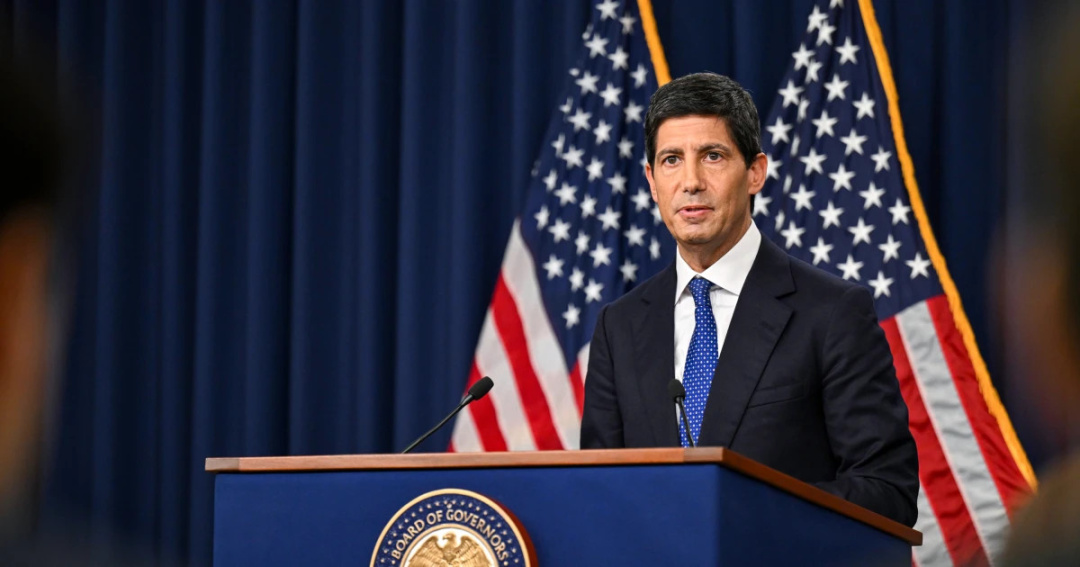
Federal Reserve Increases Interest Rate to Combat Inflation

The Federal Reserve, commonly known as the Fed, has the authority to influence interest rates, particularly through its control of the federal funds rate, which is the rate at which banks lend to one another overnight. Recently, the Fed raised the federal funds rate by a quarter percentage point, leading to expectations that other interest rates in the economy would also rise. In fact, some rates had already increased in anticipation of this decision, as Fed officials had indicated their readiness to hike rates in previous meetings.
The Fed's ability to influence interest rates is a crucial tool in achieving its mandated goals of maintaining low unemployment and controlling inflation. Currently, the national unemployment rate is around 4%, which is considered low. However, inflation presents a more significant challenge. The inflation rate, which reflects the annual percentage change in prices for goods and services, has been fluctuating between 3.5% and 4%, significantly above the Fed's target of 2%.
Market Reading & Resources
Sponsor funding complete. Trade on.
While the Fed cannot directly lower prices, it can exert downward pressure on inflation by influencing consumer behavior. By raising interest rates, the Fed makes borrowing more expensive, which can lead to a decrease in consumer spending. This reduction in demand is expected to help stabilize prices, as sellers may be less inclined to raise prices when consumer spending slows.
Historically, the Fed has used interest rate adjustments to manage economic conditions. For instance, during the recovery from the pandemic, inflation surged as consumer demand outpaced supply. In response, the Fed raised interest rates significantly to cool inflation before gradually lowering them to support ongoing economic growth. However, persistent inflation, exacerbated by factors such as tariffs and geopolitical tensions, has prompted the Fed to increase rates again.
Looking ahead, the Fed has signaled that further rate hikes may be on the horizon, potentially extending through early 2027. However, changes in external factors, such as tariff reductions or resolutions to international conflicts, could influence the timing and necessity of additional rate increases. Ultimately, the decision to raise interest rates is a complex one, balancing the need to control inflation with the risk of stifling economic growth.