Federal Reserve's Rate Hike Signals Strong Stance on Inflation
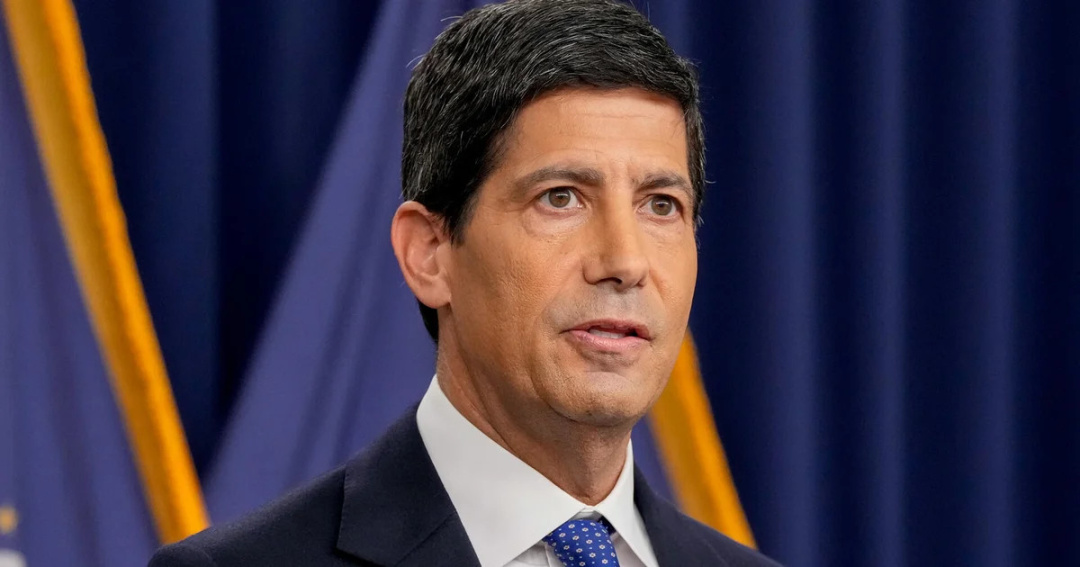
On Wednesday, the Federal Reserve raised interest rates for the first time in three years, a move anticipated by investors. Chairman Kevin Warsh's subsequent remarks surprised many, as he adopted a hawkish stance that suggested further rate increases could be necessary to address ongoing inflation issues. The Fed's quarter-point hike will incrementally increase the cost of credit cards and loans, yet the stock market reacted negatively, with the Dow Jones Industrial Average dropping 631 points, or 1.2%.
Investors were unsettled by the disparity between the Fed's economic forecasts and Warsh's statements. While Fed policymakers projected only one additional rate hike in 2026 and none in 2027, Warsh indicated a readiness to raise rates further if needed to control inflation. Tim Duy, chief U.S. economist at SGH Macro Advisors, noted that Warsh's comments revealed a strong commitment to tackling inflation.
Market Reading & Resources
Sponsor funding complete. Trade on.
Warsh, appointed by President Trump to succeed Jerome Powell, had previously expressed a more cautious approach regarding interest rates. However, the recent surge in inflation, largely driven by the Iran war's impact on oil prices, has shifted the economic landscape. In January, consumer prices were rising at an annual rate of 2.4%, close to the Fed's target of 2%. However, rising crude prices have pushed the Consumer Price Index to a three-year high of 4.2% in May, with a slight decrease to 3.4% in August, still above the Fed's comfort zone.
Warsh emphasized the urgency of addressing inflation, stating that it has been too high for too long. His comments suggested a commitment to maintaining higher rates for an extended period until inflation is brought under control. Jaison Davis, an economic research analyst at GlobalData, interpreted Warsh's remarks as indicating that the threshold for easing rates has been raised significantly.
The ongoing conflict in Iran has severely disrupted oil supplies, contributing to rising fuel costs for consumers. Diesel prices recently hit a record high of $6.40 per gallon, a 73% increase from the previous year, while gasoline prices rose to $4.44 per gallon, 38% higher than a year ago. Warsh acknowledged that while the Fed cannot control oil prices, it must ensure that rising energy costs do not have a broader economic impact.
Warsh's assertive stance on inflation is enhancing his credibility with investors, which is crucial for the Fed's ability to manage economic expectations. Following the Fed meeting, Trump expressed his belief that interest rates should be significantly lower, advocating for rates of 1% or less. Economists interpreted Warsh's commitment to addressing inflation as a sign that the Fed is prepared to act independently of the White House if necessary.
Overall, the Fed's recent actions and Warsh's comments reflect a determined approach to managing inflation, even amid external pressures and political considerations.