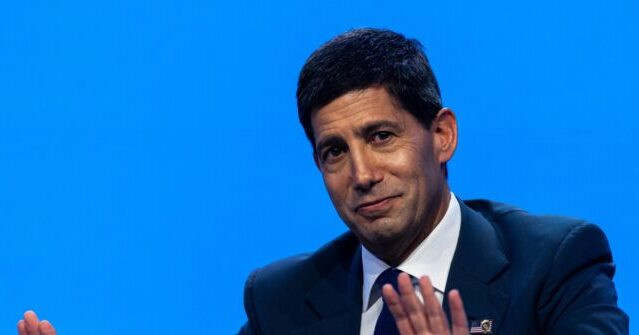
Federal Reserve Unanimously Raises Interest Rates Amid Inflation Concerns
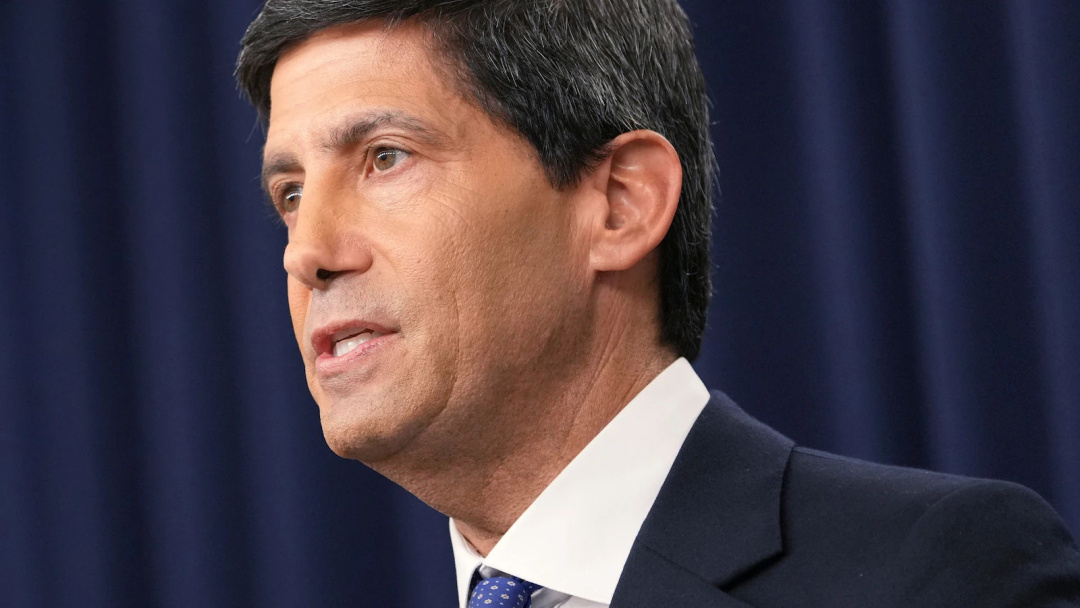
The Federal Reserve has announced a unanimous decision to raise its key interest rate, marking a significant shift from its previous stance of maintaining rates. This change comes amid rising gas prices and signs of continued economic growth, prompting the Fed to take decisive action against stubborn inflation. Fed Chairman Kevin Warsh noted that the geopolitical tensions in the Middle East have contributed to increased gas prices, which have now reached $4.44 per gallon, significantly impacting consumer costs.
Despite concerns that higher borrowing costs could slow down the economy, Warsh expressed confidence in the resilience of the U.S. economy, highlighting improvements in hiring, private-sector earnings, and business investments. The Fed's decision to raise rates aims to curb borrowing and spending, which are essential to controlling inflation. Warsh stated that the economy appears to be strengthening, even in the face of challenges such as rising gas prices and tariffs.
Market Reading & Resources
Sponsor funding complete. Trade on.
The Fed's latest statement reflects a change in its assessment of inflation, dropping references to temporary supply shocks and acknowledging the resilience of consumer and business spending. This shift indicates a more proactive approach to managing inflation, which has outpaced wage growth for several months, making it difficult for Americans to afford essential goods.
While President Trump criticized the Fed's decision, arguing for lower interest rates, economists suggest that his concerns are misplaced. They point to various factors contributing to rising long-term interest rates, including increased demand for bonds and the impact of inflation on investor expectations. The Fed's actions are seen as necessary to stabilize prices and support economic growth, particularly for lower-income Americans who are most affected by inflation.
As the Fed navigates these complex economic conditions, its commitment to achieving a 2% inflation target remains a priority, with the hope that stable prices will lead to real wage increases for American workers.