US Poverty Rate Falls to Historic Low Amidst Economic Discontent
In 2025, the United States saw a notable decline in its poverty rate, which fell to an all-time low of 10.2%, according to new data from the Census Bureau. This figure represents a decrease of approximately half a point from the previous year. Concurrently, the inflation-adjusted median household income reached a record high of $87,460, reflecting a growth of 2.6%. However, this increase in income is somewhat overshadowed by a 3% decline in the dollar's value due to inflation, leading to a complex economic landscape.
Despite these positive macroeconomic indicators, a Fox News poll indicates that around 85% of Americans feel their personal financial situations are either worsening or unchanged. This disconnect between improving economic statistics and public sentiment raises questions about the effectiveness of current economic policies and the perception of economic health among citizens.
Market Reading & Resources
Sponsor funding complete. Trade on.
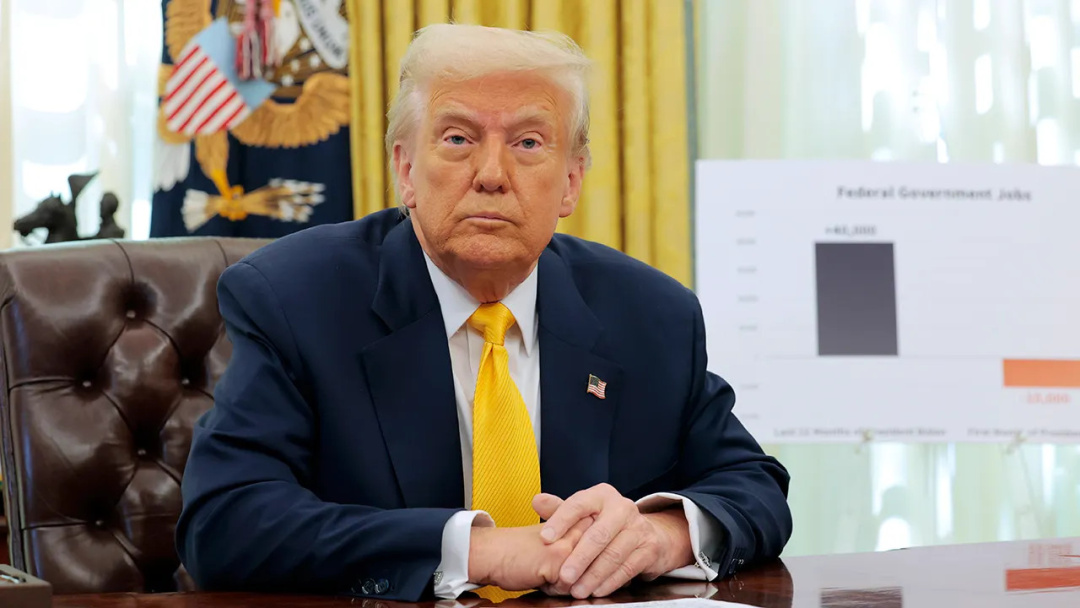
Political analysts suggest that the unpopularity of President Donald Trump may be influencing public opinion on economic matters. Many voters express dissatisfaction with the administration's handling of the economy, which could impact the Republican Party's prospects in upcoming elections. States traditionally viewed as conservative, such as Texas and Ohio, may see shifts in voter sentiment that could favor Democratic candidates.
The Census Bureau's definition of poverty considers household size and income, with a family of four needing to earn less than $32,649 annually to be classified as impoverished. As the poverty rate declines, the number of individuals without health insurance also remains near historic lows, indicating some progress in overall economic health.
However, the economic growth experienced in Southern states, attributed to favorable business conditions and population migration, contrasts sharply with the experiences of residents in other regions. High gas prices and inflation, exacerbated by geopolitical tensions, have contributed to negative perceptions of the economy, despite statistical improvements.
As the nation grapples with these economic realities, the gap between statistical success and public perception continues to be a focal point for policymakers and analysts alike. The ongoing dialogue about economic conditions will likely shape political narratives as the country moves forward.