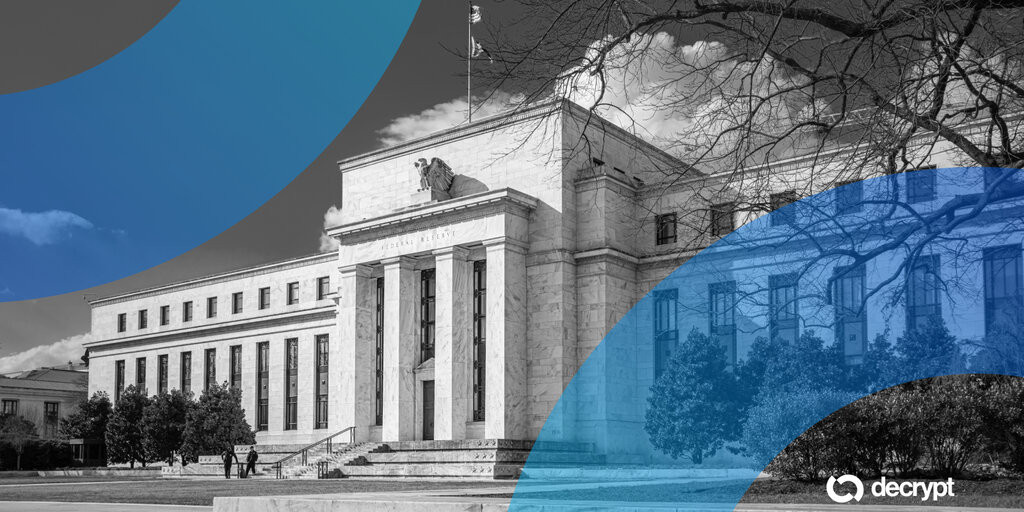
Kevin Warsh Discusses Inflation and Employment After Rate Hike
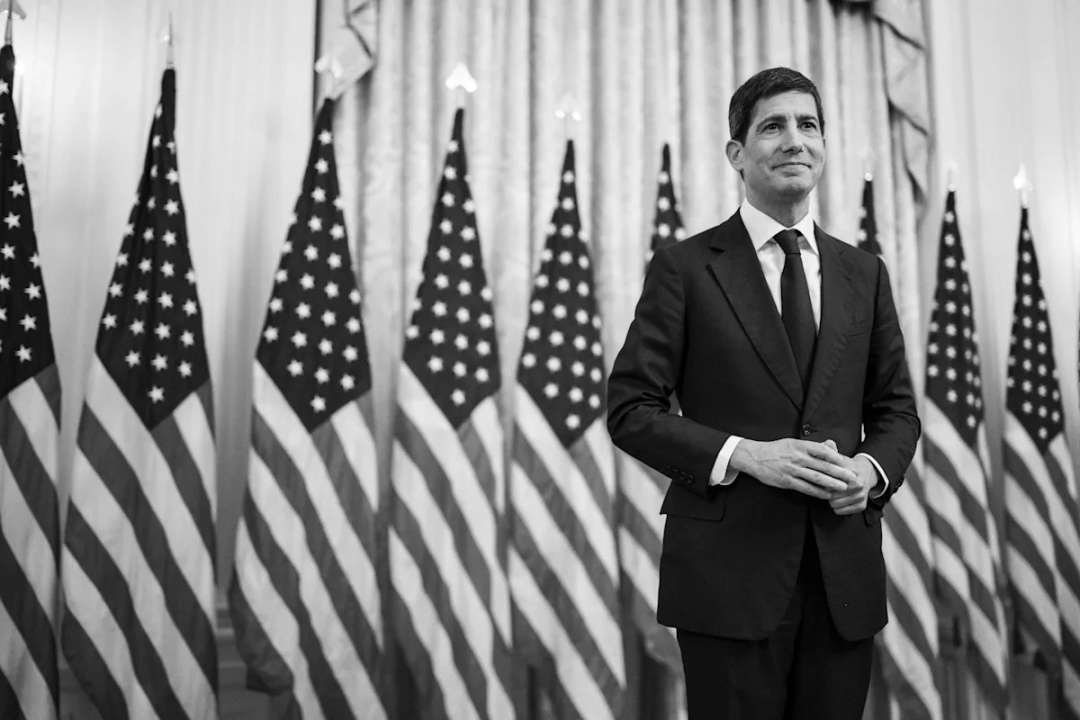
Kevin Warsh recently addressed the media following the Federal Reserve's decision to raise its benchmark interest rate. The increase, which raised the target range by a quarter percentage point to 3¾ to 4 percent, was accompanied by Warsh's remarks on the current economic climate. He stated that inflation is excessively high and has persisted for an extended period, indicating that the Fed's monetary policy must adapt accordingly. Warsh noted that while financial conditions have tightened, he does not view the current unemployment rate as a barrier to achieving the Fed's dual mandate of price stability and full employment.
During the press conference, a key moment arose when Jennifer Schonberger from Yahoo Finance inquired whether the Fed would need to push economic growth below potential, potentially harming the job market to reduce inflation. Warsh responded by asserting that the unemployment rate is consistent with full employment and that the Fed does not need to inflict damage on the labor market to meet its inflation targets. He emphasized that both price stability and full employment can coexist without conflict in the medium term.
Market Reading & Resources
Sponsor funding complete. Trade on.
Warsh's comments came at the end of the press conference, a timing that may have led to their omission in many reports. His assertion that job losses should not be an acceptable cost of reducing inflation has raised eyebrows among analysts, particularly in light of the Fed's recent policy shifts. UBS economist Jonathan Pingle noted that Warsh's approach appears to be more sensitive to financial conditions than to labor market dynamics, suggesting a significant shift in the Fed's policy response framework.
The Summary of Economic Projections released by the Fed indicates a median GDP growth forecast of 2.3% for this year and 2.4% for the next, alongside a projected total PCE inflation rate of 3.7% this year, decreasing to 2.3% next year. Warsh reiterated the Fed's commitment to its 2% inflation goal while acknowledging that risks to inflation are skewed to the upside. He characterized the labor market as being in good shape, citing a jobless rate of 4.1% and an increase in job openings and hours worked.
Warsh's perspective reflects a broader debate within the Federal Reserve about the balance between controlling inflation and maintaining employment levels. His recent statements suggest a nuanced approach, where he acknowledges the challenges posed by inflation while also advocating for the protection of the labor market. As the Fed navigates these complex issues, market participants remain uncertain about the potential for further rate hikes and their implications for the economy.