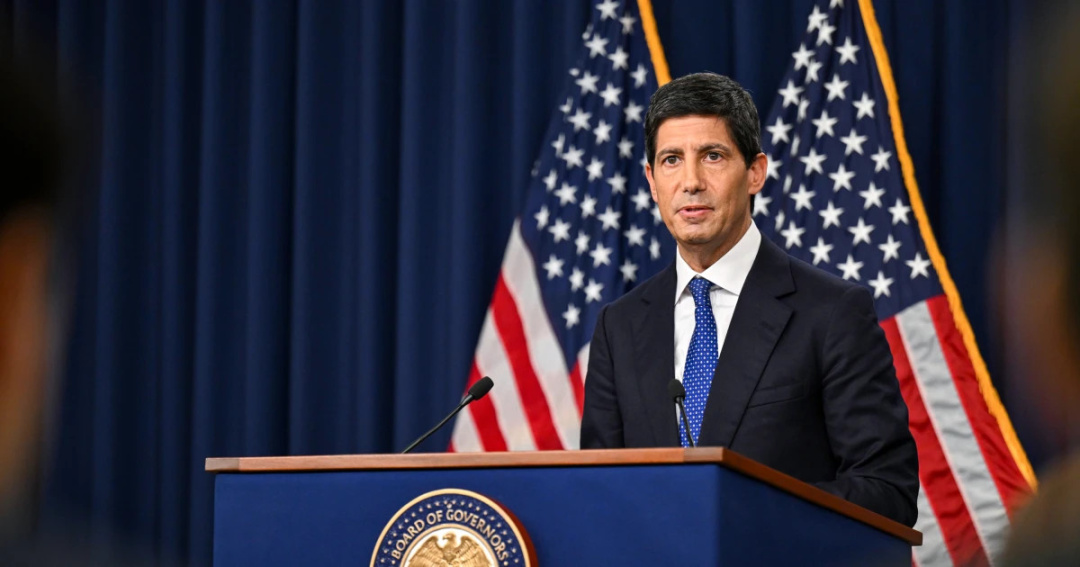
Trump Criticizes Federal Reserve Rate Hike Ahead of Midterms
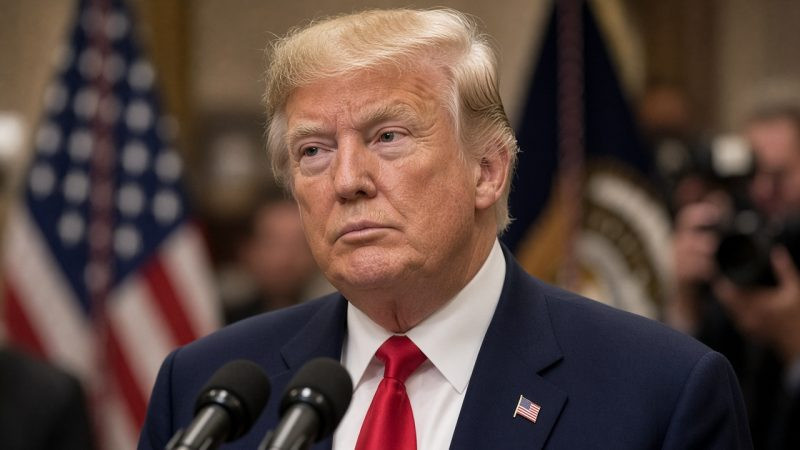
On September 16, President Donald Trump expressed his discontent with the Federal Reserve after it voted to increase the federal funds rate by 25 basis points, raising the target range to 3.75%–4.00%. This marked the first rate hike since 2023 and came at a politically sensitive time, just weeks before the midterm elections that could determine Republican control of Congress. Trump took to Truth Social to voice his opinion, stating that interest rates should be at 1% or lower, asserting that the United States is the 'Best Credit in the World — BY FAR.' He called for rapid rate cuts and criticized the Federal Open Market Committee (FOMC) as 'very hostile' and 'very political.' The unanimous vote by the FOMC included Fed Chair Kevin Warsh, whom Trump appointed, leading him to suggest that he had advised Warsh to align with the board's decision, indicating a strategic move to deflect blame. Historically, Trump has been critical of the Fed, particularly during his first term, when he often targeted then-Chair Jerome Powell for maintaining high rates. The Fed's current mandate is to keep inflation near 2%, but recent figures have shown inflation fluctuating between 3.4% and 4.2%, influenced by rising energy prices amid geopolitical tensions. The Fed's decision to raise rates is a conventional response aimed at cooling demand by making borrowing more expensive, although the current inflationary pressures are largely supply-driven. The three-year hiatus since the last rate hike highlights the Fed's shift in perspective, suggesting that inflation risks are viewed as persistent rather than temporary. This rate hike has direct implications for the housing market, as mortgage rates are closely tied to Treasury yields, which are affected by Fed policy changes. Homebuyers are now facing increased costs, complicating their financial situations. Trump's rhetoric appears to be a strategy to distance himself from any economic fallout, framing the Fed as a political adversary and potentially influencing voter perceptions as the elections approach. Whether this narrative resonates with voters remains a critical question as November draws near.
Market Reading & Resources
Sponsor funding complete. Trade on.