Federal Reserve Raises Interest Rates, Challenging Trump's Economic Strategy
The Federal Reserve has raised interest rates for the first time in three years, a decision that comes amid President Donald Trump's push for lower borrowing costs to alleviate financial pressure on American families. The rate increase, aimed at addressing persistent inflation, could complicate the economic message for Trump as the midterm elections approach.
On Wednesday, the Federal Open Market Committee (FOMC) raised the federal funds rate by a quarter of a percentage point, bringing it to a range of 3.75% to 4%. This increase is intended to help control inflation, which remains above the Fed's target of 2%. Higher borrowing costs can significantly impact consumers, particularly when purchasing homes or vehicles, potentially adding hundreds of dollars to monthly payments.
Market Reading & Resources
Sponsor funding complete. Trade on.
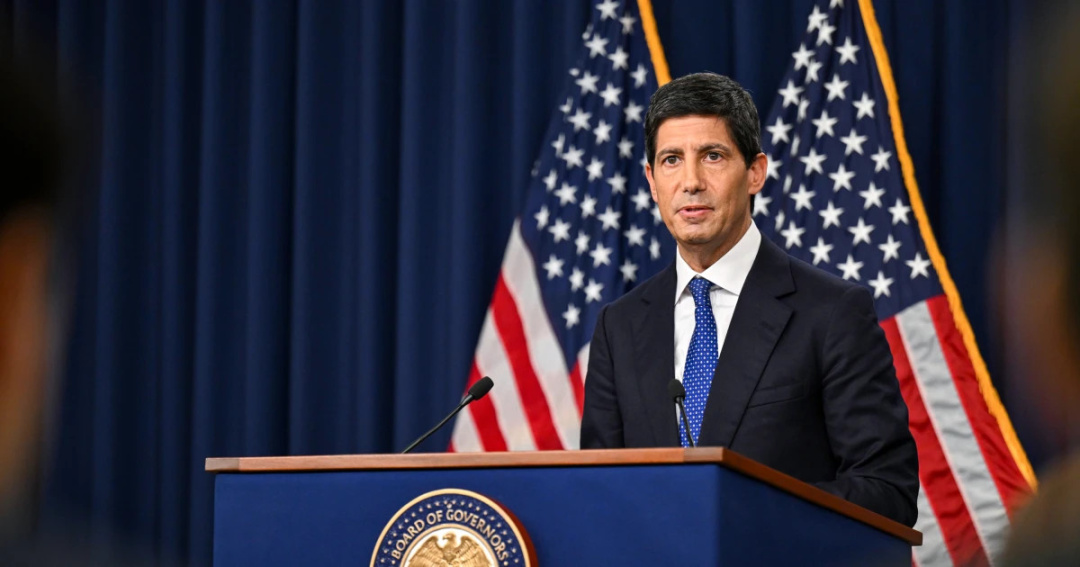
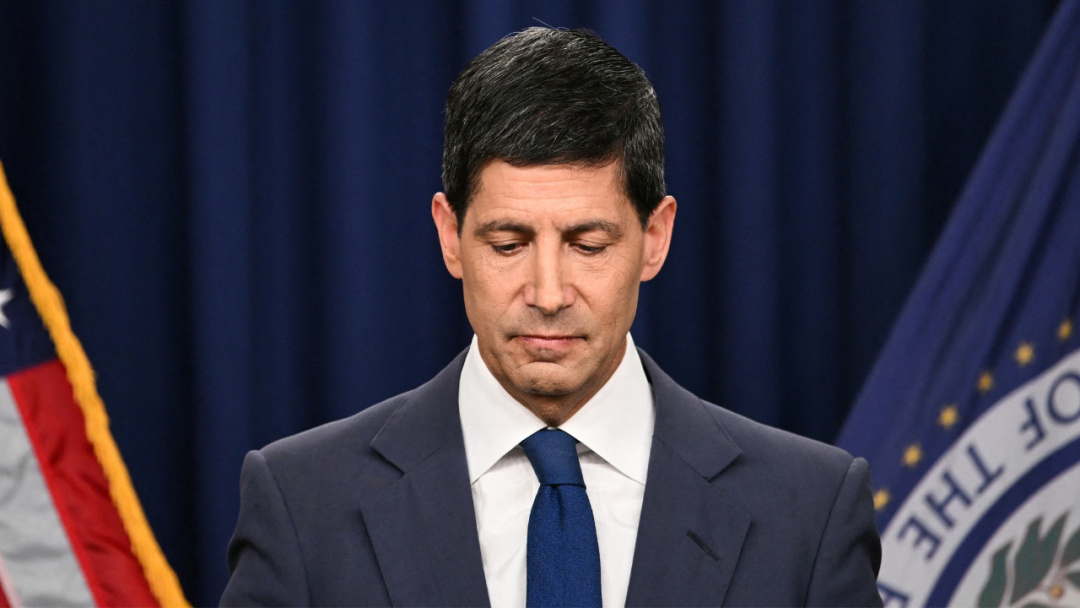
The decision places Kevin Warsh, appointed by Trump to lead the Federal Reserve, at odds with the president's economic strategy. Warsh emphasized the Fed's independence, stating that the committee's decisions are based on economic assessments rather than political influence. He declined to comment directly on Trump's requests for lower rates, reinforcing the Fed's commitment to its mandate.
The White House has not yet responded to inquiries regarding the rate hike. For Trump, this timing is particularly challenging as he has campaigned on improving affordability for American families. The increase in borrowing costs could hinder efforts to showcase economic progress and financial relief, especially as affordability and the cost of living are central issues in the upcoming elections. The Fed's actions may further complicate Trump's economic narrative as voters prepare to head to the polls.