Federal Reserve Indicates Further Rate Hike as Inflation Persists
The U.S. Federal Reserve has signaled its intention to implement another interest rate increase this year, as new forecasts indicate that rates will remain elevated until 2027. This decision comes in light of persistent inflation, which has not shown significant improvement. On September 16, the central bank raised its benchmark rate by 25 basis points, bringing it to a range of 3.75 to 4 percent. This marks the first increase since July 2023, with unanimous support from all 12 voting members.
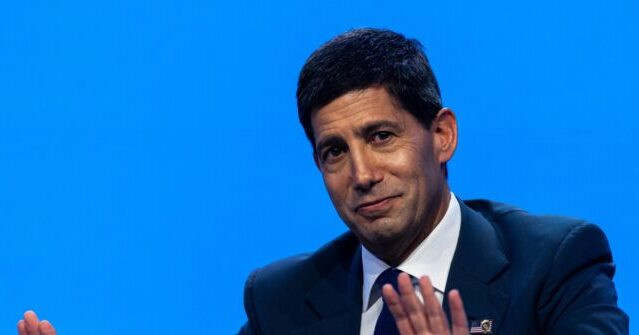
Fed Chairman Kevin Warsh addressed reporters following the decision, stating, "The plain fact is that inflation is too high and has been for too long." Sixteen out of the 18 officials who submitted forecasts expect at least one more increase this year, with the median projection suggesting a further quarter-point rise, which would adjust the target range to 4 to 4.25 percent. Rates are projected to remain at this level through 2027.
Market Reading & Resources
Sponsor funding complete. Trade on.
Warsh refrained from providing his own forecasts and did not offer forward guidance on future policy. The Fed has raised its inflation forecast, measured by the personal consumption expenditures price index, to 3.7 percent for this year, up from 3.6 percent in June. The median outlook now anticipates a return to the 2 percent target in 2029, a year later than previously expected.
Warsh noted that summer inflation readings did not indicate a meaningful improvement in underlying price pressures, with inflation having exceeded the target for over five years. He described the risks associated with inflation as skewed upward, while the risks to the labor market appeared balanced.
The decision to raise rates follows indications of a strengthening economy, highlighted by improvements in hiring, earnings, and business investment. Warsh mentioned that credit remains accessible to businesses, and he does not view overall financial conditions as restrictive.
The Fed has also adjusted its growth forecast for this year to 2.3 percent, up from 2.2 percent, and lowered its unemployment projection to 4.1 percent from 4.3 percent, with growth expected to reach 2.4 percent next year.
This outlook contrasts sharply with President Donald Trump’s calls for lower borrowing costs. In response to the Fed's decision, Trump expressed on Truth Social that U.S. interest rates should be "1%, or less." White House spokesman Kush Desai described the increase as "rather unfortunate," asserting that the administration does not believe it is supported by a compelling economic rationale.
Warsh declined to comment on his discussions with Trump, who appointed him to succeed Jerome Powell earlier this year, stating, "I’ve got nothing for you on a discussion with the president."
For consumers, the rate increase could lead to higher interest charges on credit cards and other variable-rate loans, further increasing borrowing costs amid ongoing price hikes.