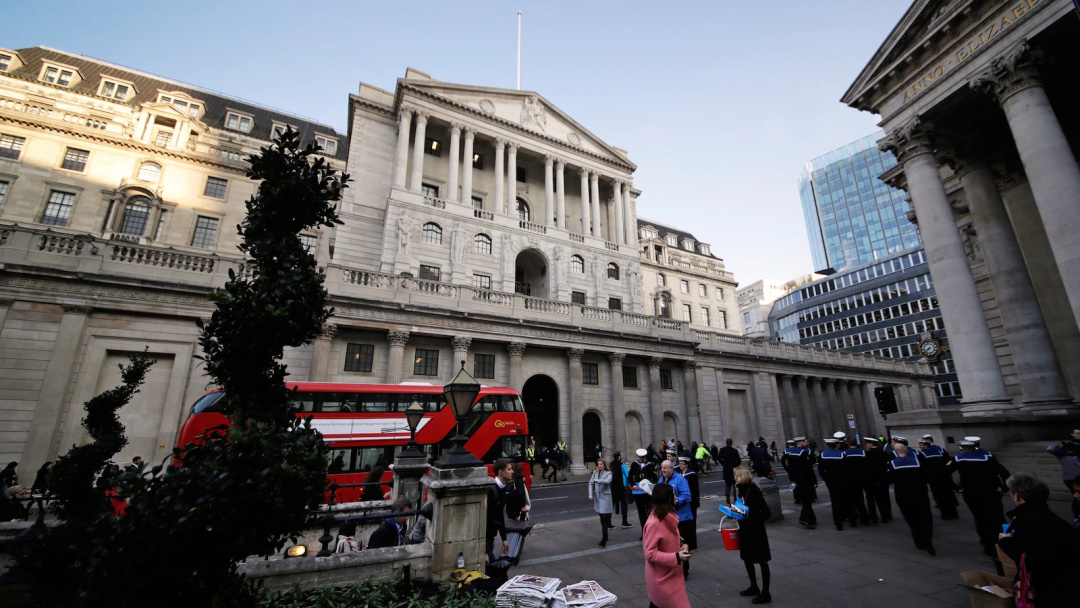
Bank of England to Maintain Interest Rates Despite Rising Inflation
The Bank of England is expected to maintain its interest rates at 3.75% during its upcoming meeting, even as inflation in the United Kingdom has surged to a five-month high. This increase in inflation is largely attributed to rising fuel prices, a consequence of the ongoing conflict in Iran, which has impacted global oil and gas markets.
Economists predict that a majority of the nine-member Monetary Policy Committee will opt to keep rates unchanged for the sixth consecutive meeting. They are looking for more substantial evidence that the current inflationary pressures are translating into higher wages and prices domestically.
Market Reading & Resources
Sponsor funding complete. Trade on.
Recent official data revealed that the U.K.’s consumer prices index rose to 3.1% in August, up from 2.9% the previous month, primarily driven by increased costs at the pump and higher airfares. This rise places inflation significantly above the Bank of England's target of 2%.
David Rees, head of global economics at Schroders, noted that the relatively soft economic conditions, including stagnant wages and a weak labor market, should help prevent imported price pressures from becoming entrenched in domestic wage and price structures.
Looking ahead, many economists anticipate further inflation increases as households prepare for another rise in energy bills starting in October. Consequently, financial markets are predicting that interest rates may be adjusted in one of the next two meetings, likely in November or December.
Interest rates in the U.K. had been on a downward trend from a peak of 5.25% until the escalation of the conflict in Iran in late February, which has led to significant spikes in energy prices due to disruptions in the Strait of Hormuz. This situation not only affects personal loans and mortgages but also poses a growing challenge for the British government, as the cost of servicing its debt rises relative to its overall spending.