IMF Lowers 2026 Global Growth Forecast Amid Iran Conflict
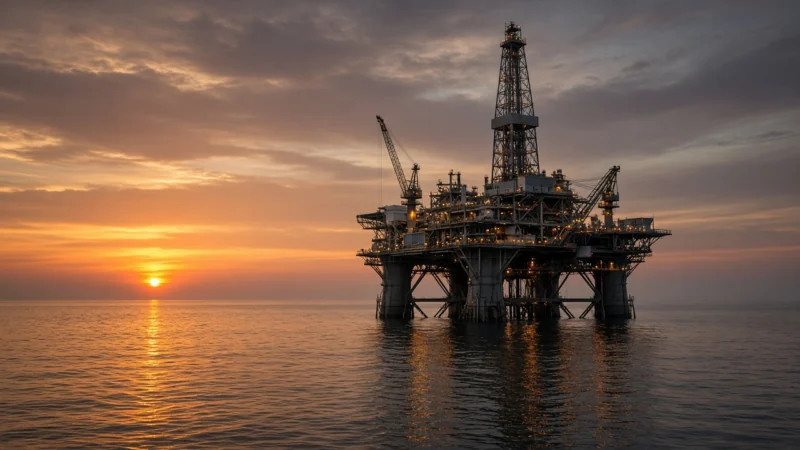
The International Monetary Fund has significantly adjusted its global economic outlook, projecting a growth rate of just 3.1% for 2026, a decrease from the previous estimates of 3.3% in January and 3.4% prior to the onset of the Iran conflict. This revision comes in the wake of escalating tensions in the Middle East, particularly involving Iran, the United States, and Israel, which began on February 28, 2026. The conflict has severely impacted the Strait of Hormuz, a crucial passage for global oil supply, resulting in notable disruptions.
The IMF anticipates that energy commodity prices will rise by 19% in 2026, with oil prices expected to increase by 21.4%. This surge in energy costs is likely to push global headline inflation to 4.4% before it begins to ease. The 3.1% growth forecast is predicated on the assumption of only moderate increases in energy prices, suggesting that if the conflict escalates further, global growth could plummet to 2%, with inflation potentially exceeding 6%.
Market Reading & Resources
Sponsor funding complete. Trade on.
IMF Managing Director Kristalina Georgieva and Chief Economist Pierre-Olivier Gourinchas have highlighted the potential for "scarring effects" on the global economy, indicating that structural damage could persist even after the conflict is resolved. The situation is particularly dire for Iran, where the IMF has revised the country's GDP forecast for 2026 to a contraction of -6.1%. This stark prediction underscores the urgent need to monitor recession risks in what the IMF describes as a "turbulent climate."
Interestingly, the IMF's report did not mention cryptocurrencies or digital assets, suggesting that the organization does not consider them significant risk factors or viable hedges against the economic turmoil it outlines. The anticipated rise in oil prices should alert investors in energy-heavy portfolios, while sectors sensitive to consumer spending may face challenges due to increased input costs and reduced purchasing power among consumers.
The key factor to observe is whether the conflict remains within the IMF's baseline scenario or escalates towards its more severe projections. The distinction between a 3.1% and a 2% growth rate is substantial, representing a shift from a sluggish economy to the potential onset of a global recession.