Federal Reserve Raises Rates, Markets React with Increased Volatility
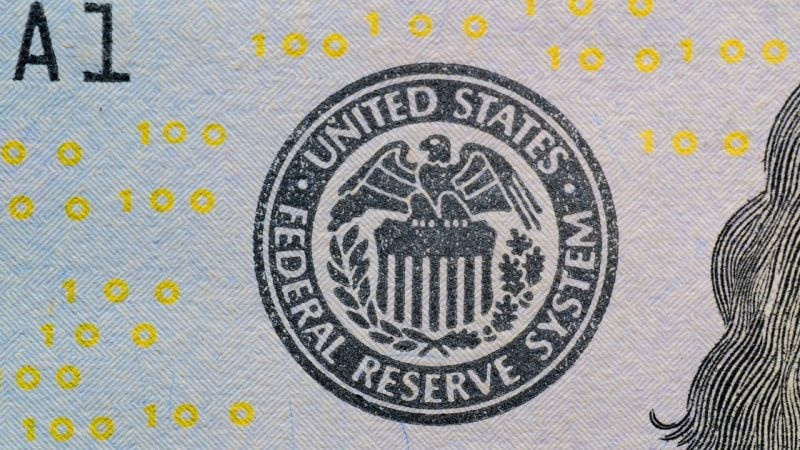
On September 16, the Federal Reserve raised its benchmark federal funds rate by 25 basis points, adjusting the target range to 3.75%-4.0%. This decision, the first rate hike since July 2023, did not calm market nerves as anticipated. Instead, it resulted in a late-session sell-off in equities and an increase in Treasury yields. The Dow Jones Industrial Average fell by 631 points, a decline of 1.2%, while the S&P 500 decreased by 0.45%. The Nasdaq remained relatively stable. Notably, 16 out of 18 Federal Open Market Committee (FOMC) participants signaled their expectation for at least one more quarter-point increase before the end of the year.
The unanimous vote of 12-0 by the FOMC reflects a shared concern regarding persistent inflation, which remains above the central bank's 2% target. Fed Chairman Kevin Warsh emphasized the urgency of addressing high inflation during his post-meeting press conference, stating, "Inflation is too high," and reaffirming the Fed's commitment to achieving its inflation goal.
Market Reading & Resources
Sponsor funding complete. Trade on.
Rising energy prices have been identified as a significant factor contributing to the ongoing inflationary pressures. The updated economic projections from the meeting indicate that most committee members foresee additional tightening measures ahead, with a strong consensus on the need for further rate hikes.
Following the announcement, Treasury yields, particularly on the 2-year note, increased by more than 6-7 basis points. This rise is significant as the 2-year yield is closely monitored for insights into near-term Fed policy expectations, suggesting that bond traders are increasingly anticipating further rate increases.
The implications of higher borrowing costs are extensive, affecting mortgages, auto loans, and corporate debt servicing. As credit conditions tighten, consumer spending, which constitutes about two-thirds of U.S. economic activity, is likely to slow.
The late-session sell-off on September 16 indicates growing market anxiety regarding the Fed's tightening trajectory. Investors had the opportunity to process the announcement and the subsequent press conference, yet the markets still experienced a downturn.
Looking ahead, the next FOMC meeting will be critical for confirming the Fed's hawkish stance. With a majority of officials expecting further rate hikes, the key question remains whether the economy can withstand these increases without significant disruption.