Federal Reserve Raises Interest Rates Amid Trump's Geopolitical Policies
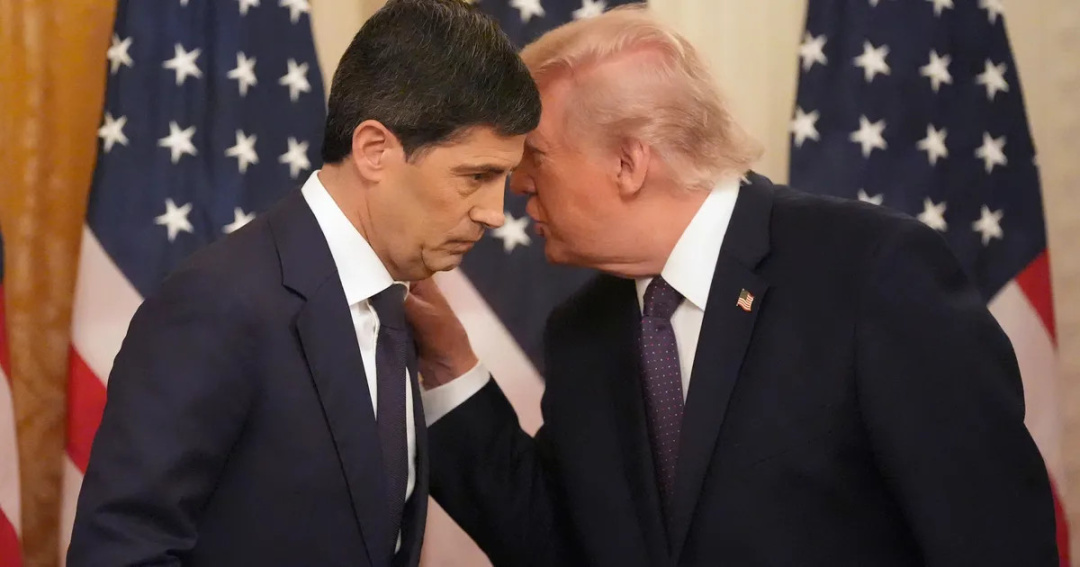
The Federal Reserve has announced a quarter-point increase in interest rates, marking its first hike since 2023. This decision comes amid rising inflation, which officials attribute to various geopolitical factors, including President Donald Trump's trade policies and military actions. Kevin Warsh, the Fed chair appointed by Trump, emphasized that inflation remains too high and has persisted for an extended period. He noted that recent inflation data does not indicate significant improvement in underlying trends.
Warsh refrained from commenting directly on Trump's trade war or military actions, stating that the Fed maintains its independence and allows other policymakers to operate within their domains. Despite this, Trump has been vocal about his dissatisfaction with the Fed's decisions, recently demanding that interest rates be lowered to 1% or less, while the Fed's target now stands at 3.75% to 4%.
Market Reading & Resources
Sponsor funding complete. Trade on.
In a statement following the Fed's announcement, Trump expressed his belief that the rate hike was politically motivated and criticized the board for its decisions. He suggested that he had previously discussed the vote with Warsh, although the accuracy of this claim is uncertain. Economists have linked the rising inflation to Trump's trade policies, which have led to increased prices across various goods, as well as his military actions that have affected oil prices.
The recent rate hike is expected to raise costs on consumer loans and credit cards, further impacting American households. Trump's foreign policy decisions and the resulting increase in the federal deficit have already contributed to higher mortgage rates. Despite Trump's claims of inheriting high inflation from his predecessor, data shows that inflation rates had decreased significantly before he took office in January 2025.
As the Fed navigates these complex economic challenges, the relationship between Trump and the Federal Reserve remains tense, with the president previously expressing frustration with the board's decisions. This dynamic continues to shape the economic landscape as the Fed seeks to manage inflation while responding to external pressures.