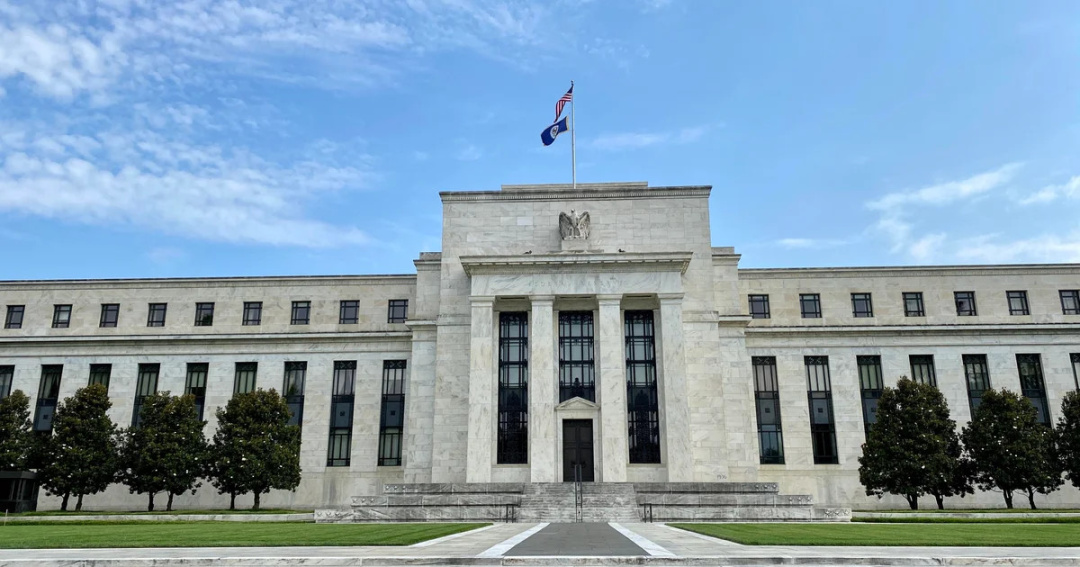
Fed Raises Interest Rates for First Time Since 2023 Amid Inflation
The Federal Reserve announced on Wednesday that it has raised its benchmark interest rates by 0.25%, marking the first increase since 2023. This decision is part of the central bank's strategy to address rising inflation, which has seen an uptick in recent months. The new rate now stands between 3.75% and 4.00%.
The Federal Open Market Committee (FOMC) unanimously supported the rate hike, with indications that another increase could occur before the end of the year. This move comes despite pressure from President Donald Trump, who has consistently advocated for lower interest rates. The Fed's decision reflects its commitment to controlling inflation, which has been driven higher by various factors, including the ongoing war with Iran that has led to increased oil prices.
Market Reading & Resources
Sponsor funding complete. Trade on.
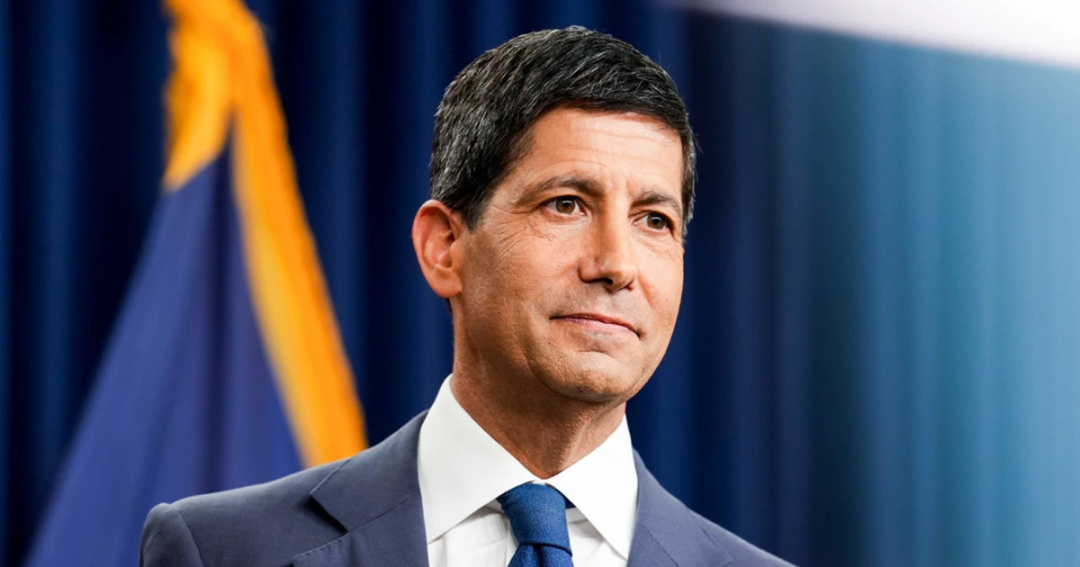
In a statement, the Fed acknowledged the uncertainty surrounding the economic landscape, citing geopolitical developments as a contributing factor. The central bank aims to return inflation to its target of 2%. Fed Chairman Kevin Warsh emphasized the need for confidence that inflation is moving toward this objective, stating that current conditions have not met this standard.
The rate hike could signal the beginning of a new cycle of increases, as historically, central banks tend to follow an initial rate increase with subsequent hikes. Warsh noted that inflation has remained too high for too long, and the Fed must act decisively to prevent further escalation.
Alongside the rate decision, the Fed released economic projections, with most FOMC members forecasting another increase later this year. The hike comes in the wake of significant inflationary pressures, with prices rising by 3.4% as of August, outpacing wage growth.
Warsh clarified the limitations of the Fed's influence over specific prices, such as oil and food, but reiterated the bank's role in managing broader economic impacts. Following the announcement, major stock indexes experienced declines, with the S&P 500 and Nasdaq Composite both falling, while the Dow Jones Industrial Average dropped significantly.
The Fed's actions also influenced bond yields, with the 30-year Treasury bond yield slightly declining but remaining at a high level. Warsh attributed the recent rise in bond yields to economic strength, geopolitical tensions, and competition for capital from emerging sectors like artificial intelligence.
As the Fed navigates these complex economic challenges, its decisions will play a crucial role in shaping the financial landscape in the months to come.