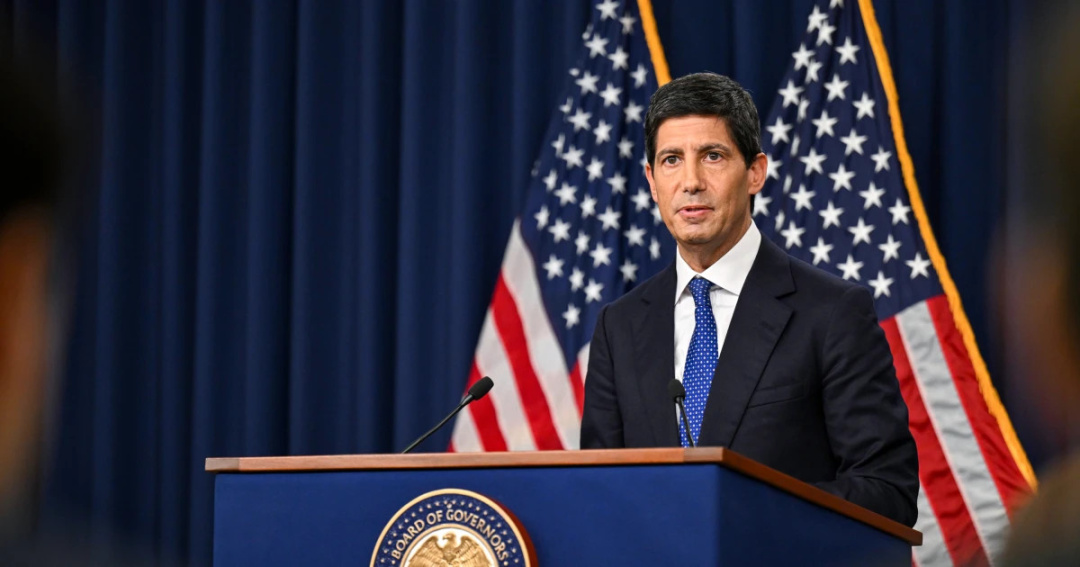
Federal Reserve Increases Interest Rates as Inflation Persists
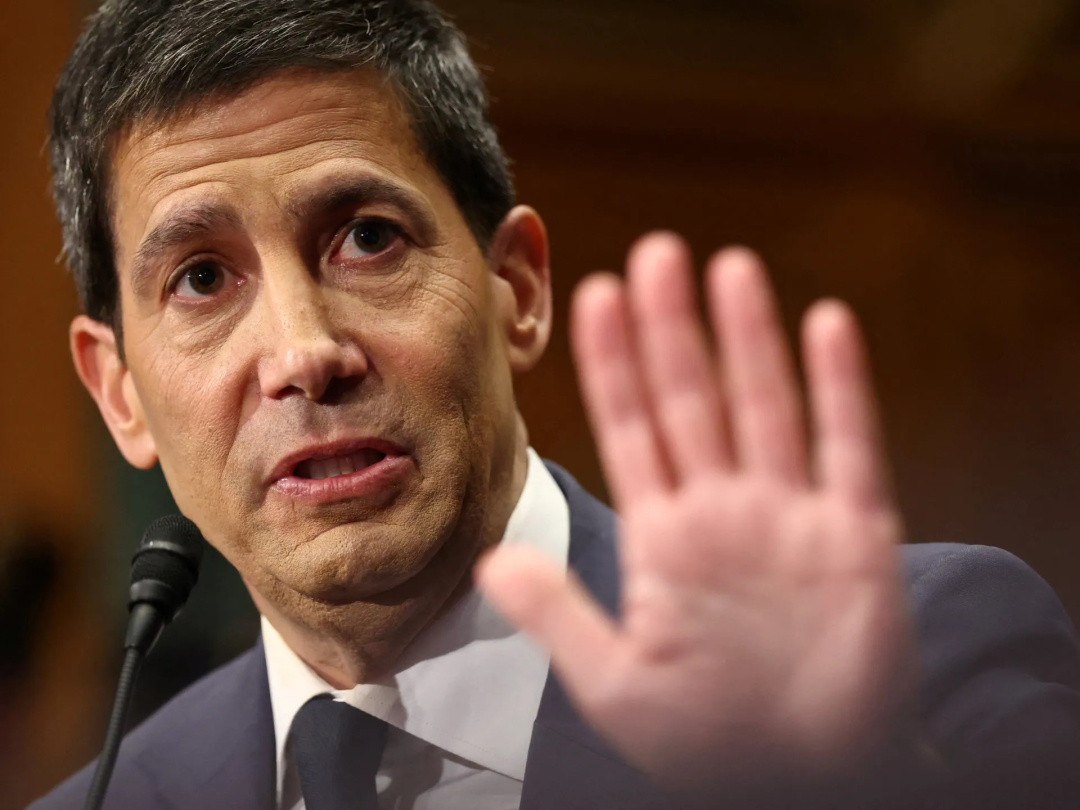
The United States Federal Reserve has decided to raise interest rates by a quarter of a percentage point, responding to ongoing inflation pressures exacerbated by soaring fuel prices linked to the US-Iran conflict. The central bank announced on Wednesday that the new interest rate will range from 3.75 percent to 4 percent. This marks the first increase in more than three years and occurs just weeks before the US midterm elections, despite ongoing calls from President Donald Trump for lower rates.
In its statement, the Fed noted that economic activity is expanding at a solid pace, although uncertainty remains high due to geopolitical factors. Domestic spending has shown resilience, but inflation continues to be a concern. The Fed stated that the recent policy action aims to facilitate a quicker return to its 2 percent inflation goal, emphasizing the importance of price stability.
Market Reading & Resources
Sponsor funding complete. Trade on.
Following this rate hike, Fed officials project one additional increase before the end of the year, with expectations that rates will remain steady throughout the next year. The CME FedWatch tool, which monitors the likelihood of monetary policy changes, indicated a 92.3 percent probability of the Fed raising rates to the current target range, a significant increase from a previous forecast of just 40 percent.
Recent economic data has influenced these expectations, particularly a 0.4 percent rise in consumer prices in August, the highest monthly increase in four months. Factors such as tariffs imposed by Trump and increased capital spending in the artificial intelligence sector have contributed to rising prices. Year-over-year, prices have increased by 3.4 percent, matching the previous month’s figures, while the job market remains robust.
Additionally, crude oil prices have surged, with Brent crude nearing $109 per barrel. The average price for gasoline has risen to $4.36 per gallon, reflecting a 14-cent increase in just one week and a notable rise from $4.06 last month. Diesel prices have also reached record highs, averaging $6.31 per gallon, which is expected to further drive up costs for goods transported by trucks.
The benchmark 10-year Treasury yield has surpassed the critical 5 percent mark, reaching 5.02 percent, the highest level in 19 years. This yield serves as a key indicator for borrowing costs, impacting loans for cars and homes, and is closely watched as a sign of inflation trends.
Michael Klein, a professor at Tufts University, remarked on the unusual economic conditions, noting that while unemployment remains low, persistent inflation is pushing beyond the Fed's target. He highlighted the pressure on Fed Chairman Warsh to respond to inflation, especially amid Trump's ongoing demands for lower rates. Klein also pointed out that while higher interest rates can slow economic growth, market expectations may already account for these changes, potentially stabilizing yields.
The White House has not yet commented on the Fed's decision to raise interest rates, which comes amid a backdrop of political pressure and scrutiny of the Fed's independence. Trump has previously criticized former Chairman Jerome Powell for not lowering rates, even leading to investigations into Powell's actions, which were described by Powell as attempts to undermine the Fed's autonomy.