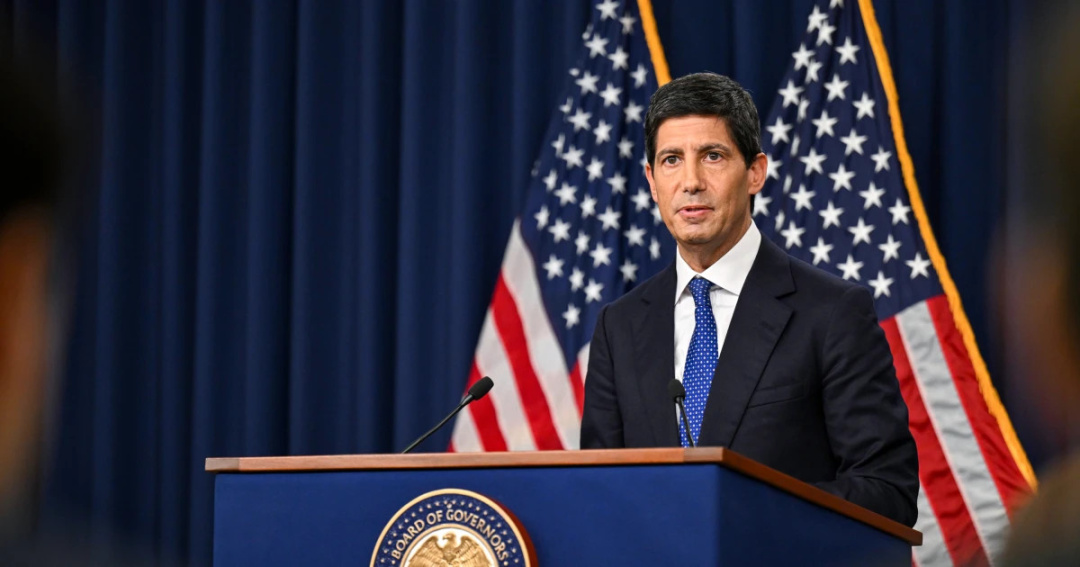
Federal Reserve Raises Interest Rates Amid Ongoing Inflation Concerns
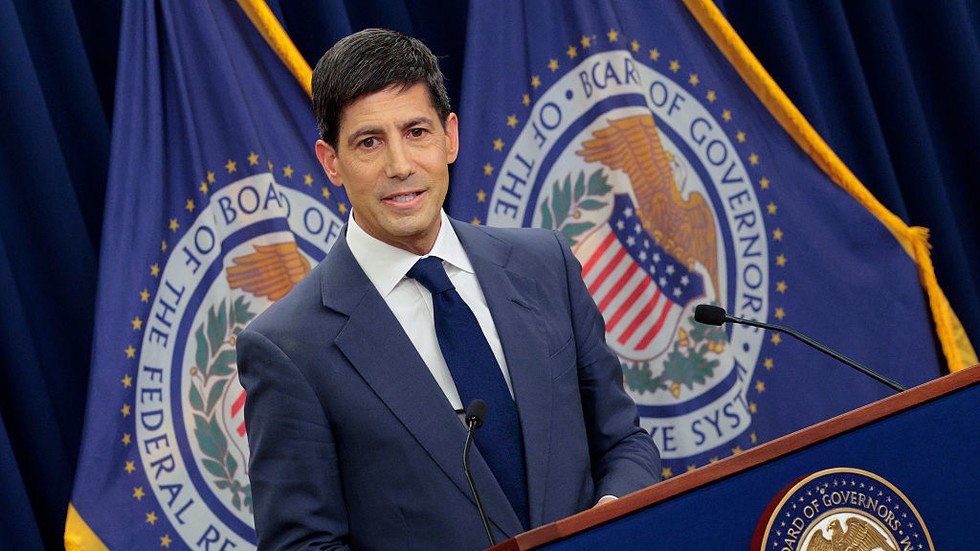
The US Federal Reserve has decided to raise interest rates, marking the first increase since July 2023, despite ongoing demands from President Donald Trump for lower borrowing costs. The Federal Open Market Committee voted unanimously to increase the benchmark rate by 25 basis points, bringing it to a range of 3.75% to 4%. This decision comes as inflation continues to pose challenges for the economy, with consumer prices rising 3.4% year-on-year in August and 0.4% from the previous month, driven in part by a 3.9% increase in gasoline prices.
The Fed's move was anticipated by many economists, with approximately 85% of those surveyed by Reuters predicting a quarter-point increase following the latest inflation data. The central bank noted that economic activity is expanding at a solid pace, but inflation remains elevated, prompting the need for this policy adjustment.
Market Reading & Resources
Sponsor funding complete. Trade on.
The increase in rates is intended to slow down price growth by making borrowing more expensive, which typically reduces consumer and business spending. The Fed has set a long-term inflation target of 2%, and Chairman Kevin Warsh emphasized the importance of maintaining this target, stating that inflation levels are still too high.
While the labor market has shown stability, with an unemployment rate of 4.1% and the addition of 162,000 jobs in August, economic growth has slowed, with GDP expanding at an annualized rate of 1.5% in the second quarter, down from 2.1% in the first.
The rate hike could further strain US households already grappling with rising prices. Yung-Shin Kung, chief investment officer at Mast Investments, highlighted that lower-income consumers may be particularly affected, facing higher costs for essentials alongside increased debt servicing costs.
Trump has been vocal in his criticism of former Fed Chair Jerome Powell for not implementing the aggressive rate cuts he advocated, labeling him with derogatory terms. Following Warsh's appointment as the new Fed chair in May, the latest decision places him at odds with the president's stance on interest rates. Trump reiterated his belief that the US should maintain the lowest interest rates globally, irrespective of inflation or other economic indicators.
Despite previously supporting higher rates to combat inflation, Warsh has shifted his position since taking over the Fed, advocating for a careful approach to ensure inflation moves toward the target rate clearly and swiftly. He warned that if inflation does not show significant improvement, further action may be necessary.