Federal Reserve Expected to Announce Interest Rate Hike Amid Inflation Pressures
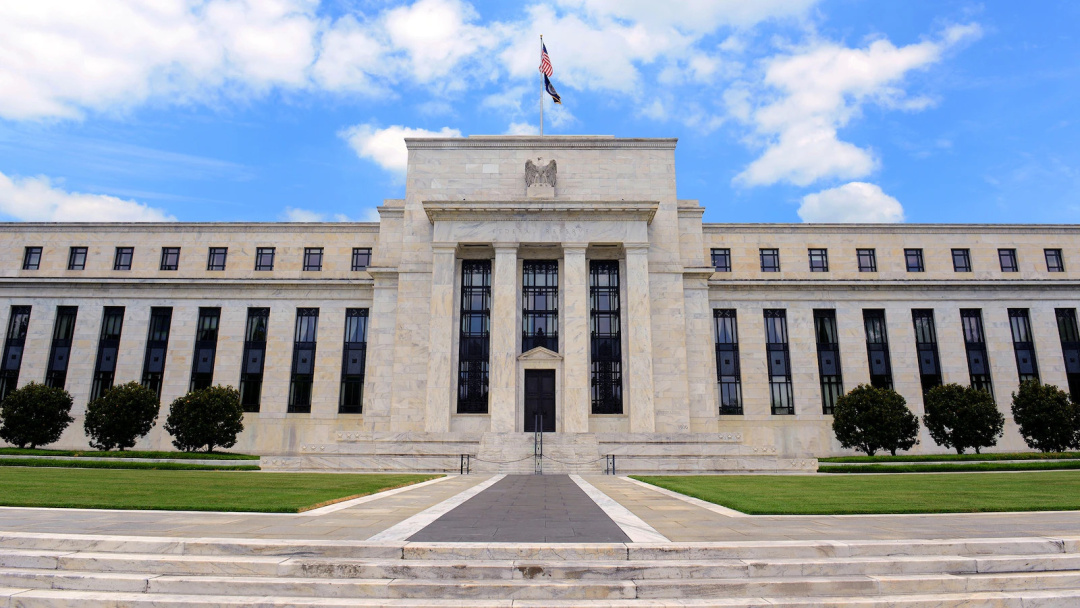
The Federal Reserve is poised to announce its decision on interest rates on Wednesday, as the United States continues to contend with elevated inflation levels driven by the ongoing conflict in Iran. Global oil prices have surged to near a four-month high, with the average price for a gallon of gasoline exceeding $4.30, according to AAA. Recent economic data indicates increased strain, including a bond selloff that has raised borrowing costs for credit cards and mortgages.
Central bankers are grappling with the challenge of addressing inflation without stifling economic growth and harming the labor market. In its last meeting in July, the Fed opted to maintain interest rates, but three members of its policymaking board voted in favor of a rate hike, marking the highest level of dissent in a decade.
Market Reading & Resources
Sponsor funding complete. Trade on.
Financial markets are anticipating a quarter-point increase in interest rates, which would mark the Fed's first hike since 2023. As of Tuesday afternoon, the likelihood of this increase stood at 94%, according to the CME Group's FedWatch tool, which measures investor sentiment.
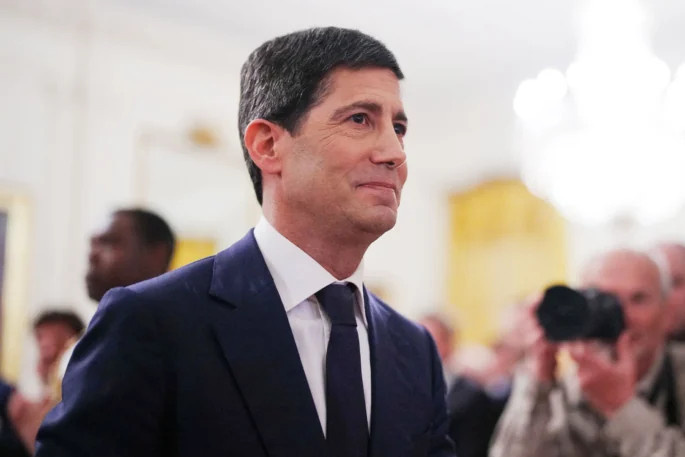
Federal Reserve Chair Kevin Warsh, who took the helm in May, has emphasized the need to tackle persistent price increases. In remarks made last month at the Fed's annual summer gathering in Jackson Hole, Wyoming, Warsh stated, "The Fed's predominant focus right now should be on prices."
Recent government data showed that prices rose by 3.4% in August compared to the previous year, maintaining the same rate as the prior month. This inflation rate exceeds the Fed's target of 2%.
Despite the inflationary pressures, the economy shows signs of resilience. A strong jobs report revealed that employers added 162,000 jobs in August, underscoring the labor market's ongoing strength. The economy also grew in the three months ending in June, countering fears of a downturn linked to the Iran conflict.
The war in Iran, which escalated following a significant U.S.-Israeli attack earlier this year, has led to disruptions in oil supply, particularly through the Strait of Hormuz, a critical passage for global crude. Attacks on oil tankers in the region have pushed crude prices above $108 a barrel, marking a 50% increase since the conflict began in late February.
As of Tuesday, the average price of gasoline in the U.S. was $4.32, significantly higher than pre-war levels. Additionally, record diesel prices have increased transportation costs for essential goods, including groceries and household items. The Fed's upcoming decision will be closely monitored as it navigates these complex economic challenges.