Trump Pressures Federal Reserve Chief Warsh on Interest Rates
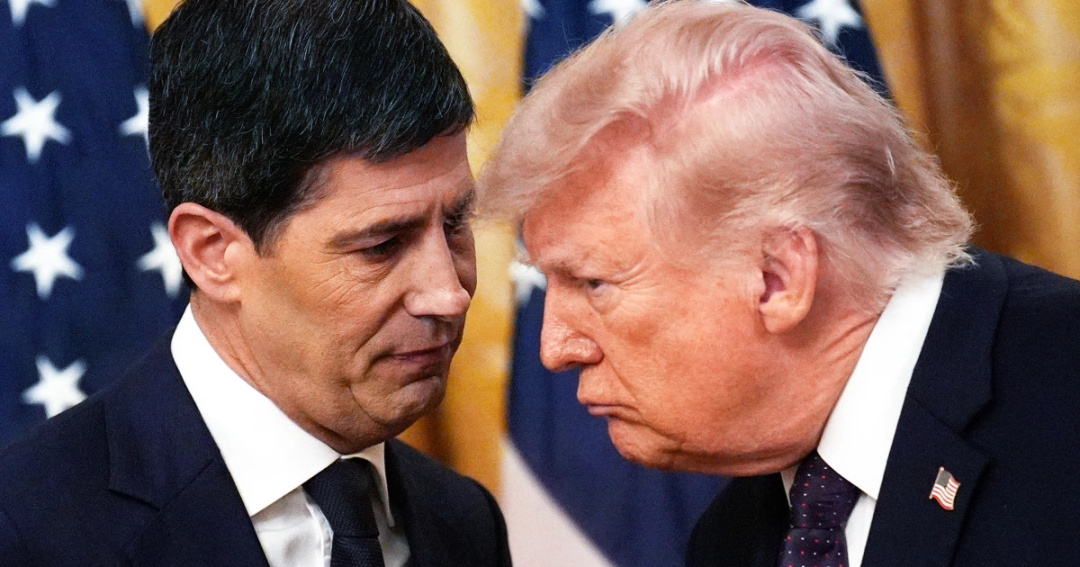
President Donald Trump has ramped up his calls for interest rate cuts, creating tension with Federal Reserve Chairman Kevin Warsh, whom he nominated earlier this year. Just months into Warsh's tenure, Trump is setting the stage for a potential confrontation following the Fed's upcoming decision on interest rates. Economists at UBS have noted that Warsh faces a critical choice: whether to keep the Fed's key rate steady amid rising inflation or to increase it, which could provoke backlash from the president.
Trump's adviser, Kevin Hassett, chair of the National Economic Council, indicated that the president would likely express his views if the Fed makes significant changes to interest rates. Hassett, who was a candidate for the Fed position before Warsh's appointment, emphasized that Trump believes there is ample room for lowering rates and that he respects the Fed's independence.
Market Reading & Resources
Sponsor funding complete. Trade on.
The Fed has not raised interest rates since 2023, during Joe Biden's presidency, when inflation was a pressing issue. However, market expectations for a rate increase have surged, particularly after inflation data for August showed a 3.4% annual increase, significantly above the Fed's target of 2%.
When Warsh took office in May, Trump urged him to focus solely on his responsibilities without external influence. This marked a departure from Trump's previous criticisms of Powell, whom he had publicly berated. While Trump has not insulted Warsh, he has become increasingly vocal about his desire for lower interest rates, raising questions about the Fed's autonomy.
In a recent White House event, Trump expressed his wish for lower rates, claiming that the Fed's board is influenced by political considerations. He reiterated this sentiment in August, stating that the U.S. should be paying significantly lower interest rates, ideally around 1% or 0.5%. Trump argued that high rates disadvantage the country and should not be tolerated.
Several factors are contributing to inflation, including energy prices and supply chain issues. Analysts from Deutsche Bank have pointed out that inflationary pressures are likely to persist due to ongoing challenges in energy, tariffs, and supply chains, exacerbated by the current geopolitical climate.
The Trump administration's trade tensions, particularly with Canada, and soaring energy prices have further complicated the economic landscape. As of Tuesday, U.S. crude oil prices approached $106 per barrel, while gasoline prices remain significantly elevated compared to earlier in the year.
Economists warn that a rate hike could have adverse effects on the labor market, which currently shows a solid unemployment rate of 4.1%. While inflation remains a concern, the impact of tariffs and energy shocks may diminish over time. If the Fed opts to raise rates, it could hinder economic growth and lead to layoffs and increased unemployment.
The ongoing investment in AI and technology sectors is driving economic growth, yet many Americans are experiencing stagnant wage growth, which is currently lagging behind inflation. This complex economic situation presents a challenge for the Fed as it navigates the pressures from the administration and the realities of the current economic environment.