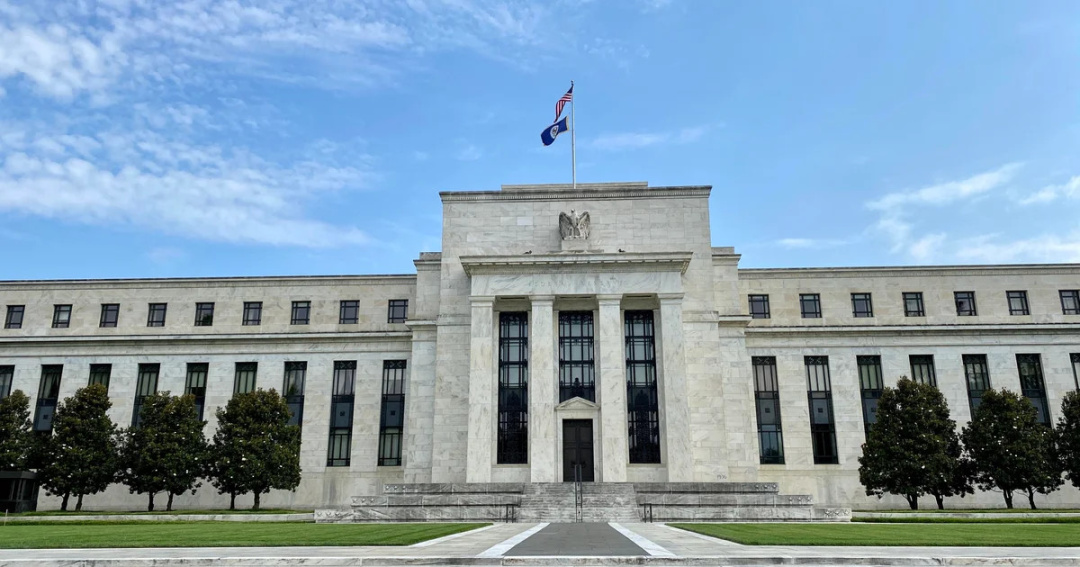
Federal Reserve Set to Raise Interest Rates as Inflation Persists
The Federal Reserve is poised to raise its benchmark interest rate on Wednesday, marking the first increase in more than three years as it confronts ongoing inflation challenges exacerbated by elevated energy prices. Economists forecast a 0.25 percentage point hike, with some anticipating one or two additional increases in the near future. Despite calls from former President Trump for lower rates, many analysts expect the Fed to act decisively to combat inflation, which currently exceeds the central bank's 2% annual target, with the Consumer Price Index showing a 3.4% annual increase in August.
Interest rate hikes serve as the Fed's primary mechanism for controlling inflation, as they typically lead to reduced spending by businesses and consumers, thereby cooling the economy and alleviating price pressures. The persistence of high energy prices, partly due to geopolitical tensions, may compel the Fed to adopt a more aggressive monetary policy stance.
Market Reading & Resources
Sponsor funding complete. Trade on.
Brandon Zureick, chief economist at Johnson Investment Counsel, noted that if energy prices remain high and the economy continues to show strength, further rate hikes could be on the horizon. He emphasized that the current inflationary environment is not as severe as the peaks seen in June 2022, when inflation reached a 40-year high of 9.1%.
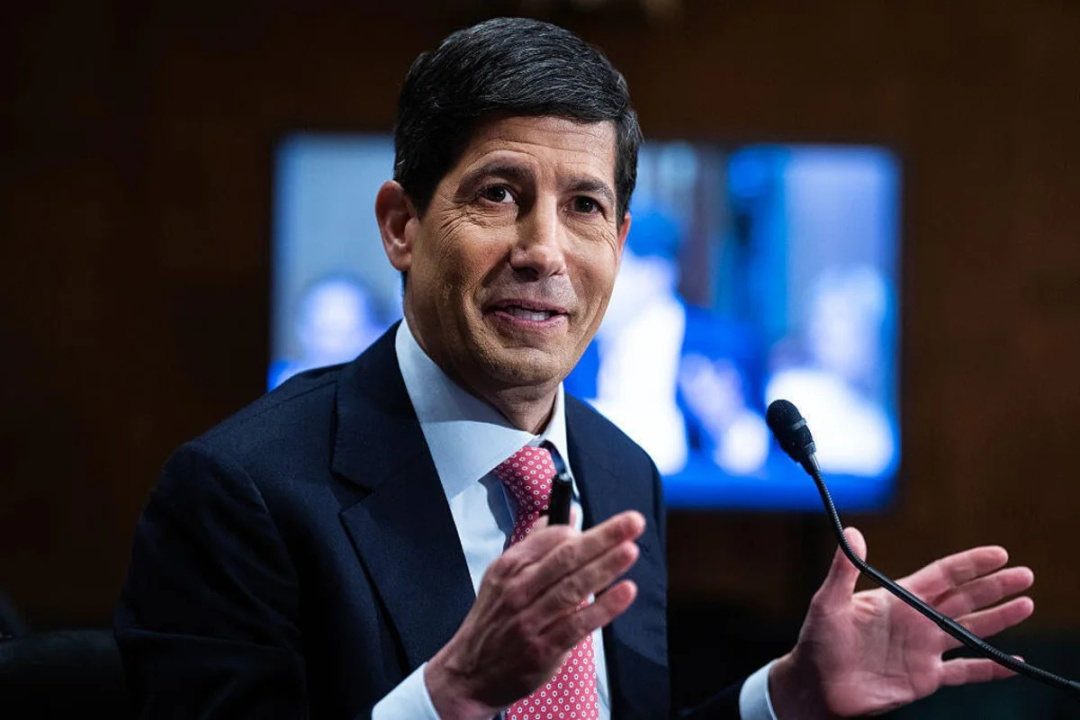
The Federal Reserve's decision will be announced at 2 p.m. ET on September 16, followed by a press conference with Fed Chairman Kevin Warsh. The Federal Open Market Committee will also release its quarterly Summary of Economic Projections, which includes forecasts for inflation and economic growth.
According to CME FedWatch, there is a 90% probability of a 0.25 percentage point increase, which would adjust the federal funds rate to a target range of 3.75% to 4%. The broader implications of this rate hike could lead to increased borrowing costs for consumers, particularly affecting credit card interest rates. Matt Schulz, chief consumer finance analyst at LendingTree, indicated that cardholders should prepare for a rise in their annual percentage rates following the Fed's decision.
While a rate increase may add only a modest amount to monthly credit card bills, it could pose challenges for those already managing debt. Conversely, higher rates could benefit savers, leading to improved returns on high-yield savings accounts and certificates of deposit.
The Fed's rate adjustments can also influence financial market volatility. In 2022, the S&P 500 experienced a significant decline as the Fed began increasing rates in response to inflation. However, Zureick noted that the market has already factored in expectations for future hikes, reducing the likelihood of severe market reactions.
Investors are advised to maintain diversified portfolios to navigate the changing economic landscape. Zureick recommends focusing on a mix of asset classes, including international stocks and bonds, to mitigate risks associated with fluctuating interest rates. He cautioned against attempting to time the market, advocating for a steady investment approach instead.