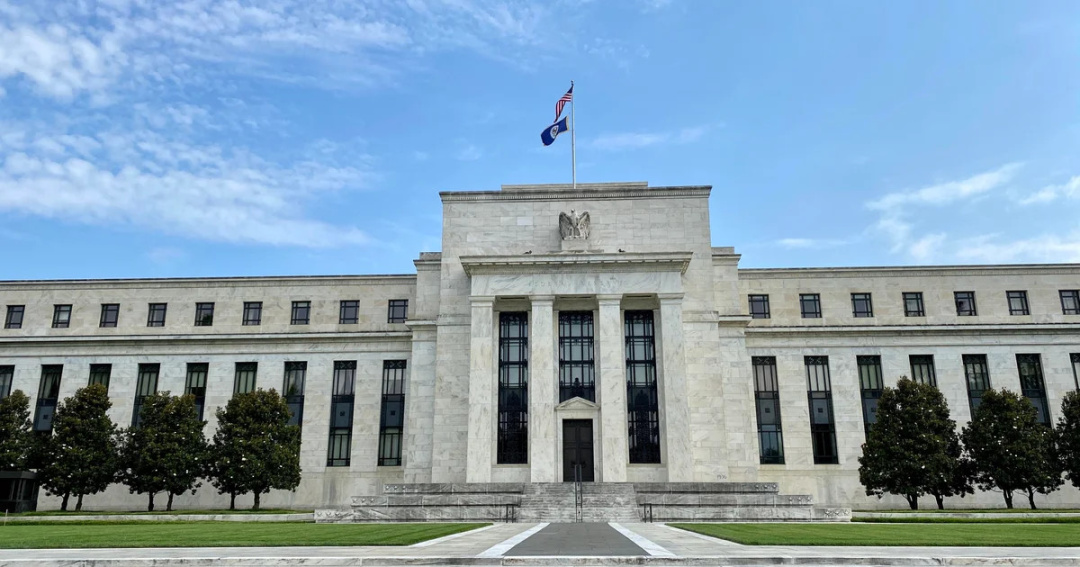
U.S. Treasury Yields Surge as FOMC Meeting Approaches
Yields on the U.S. 10-year Treasury note have exceeded 5% for the second consecutive day, reaching levels not seen since 2007. This surge is driven by rising oil prices and ongoing inflation concerns, which have led to increased expectations that the Federal Reserve Open Market Committee (FOMC) will raise its overnight lending rate by 25 basis points in its upcoming vote. A recent fixed-income primer from Raymond James indicates that two key inflation readings, the Producer Price Index (PPI) and the Consumer Price Index (CPI), are influencing market sentiment, with a roughly 90% probability now assigned to a rate hike, up from about 60% at the start of the previous week. Investors and consumers are closely monitoring signals from policymakers regarding whether this potential increase will be a one-time adjustment or the beginning of a renewed tightening cycle. This situation places Federal Reserve Chair Kevin Warsh in a challenging position, as he is expected to address the decision post-vote, amidst President Donald Trump's calls for lower rates. A rate hike would reinforce Warsh's hawkish stance since the Federal Reserve's late-August economic symposium in Jackson Hole, Wyoming, and bolster his credibility in combating inflation. With fed funds futures indicating a greater than 90% chance of a rate increase, the FOMC has little room for error; failing to meet market expectations could trigger a disorderly selloff in long-term bonds. Recent comments from Warsh suggest a strong commitment to restoring the Fed's inflation-fighting credibility, and this meeting will provide crucial insights into how that commitment translates into policy. Rising Treasury yields reflect not only heightened inflation expectations but also increased real yields due to government borrowing and ongoing policy uncertainties. Despite the potential for higher borrowing costs, the resilience of the U.S. economy has alleviated fears that a 25-basis-point increase could disrupt economic activity. Spending related to artificial intelligence infrastructure has remained a significant driver of economic growth this year. While the future path of rate hikes remains uncertain, analysts believe that a single 25-bps increase is unlikely to have a substantial negative impact on the economy, given the relative insensitivity of AI-related capital expenditures to interest rates. The FOMC's decisions directly influence overnight lending and short-term yields, but the economic and geopolitical factors affecting the short end of the yield curve are also contributing to the rise in long-term yields. The clearing rate for a new series of 20-year Treasury bonds auctioned recently was 5.42%, the highest yield since 1986, indicating that buyers are demanding higher returns for lending to the federal government. The yield on the 30-year Treasury bond settled at 5.371%. Increases in long-term federal debt yields can have broader implications for the economy, as mortgage rates and credit card interest rates are often linked to Treasury rates.
Market Reading & Resources
Sponsor funding complete. Trade on.