Trump Declares Ceasefire with Iran Over Amid New Military Escalation
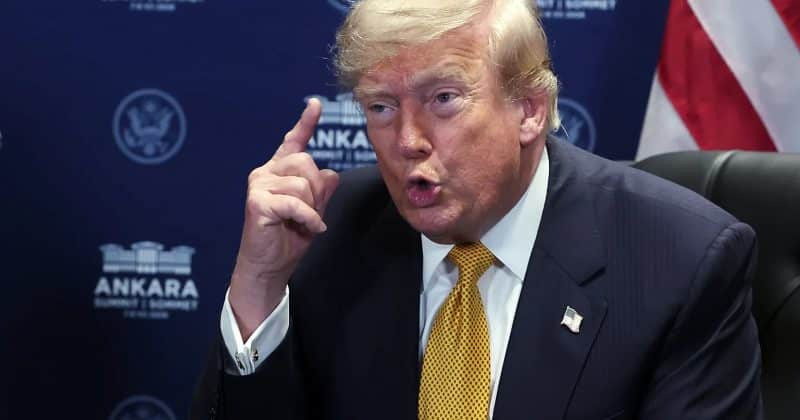
On July 8, 2026, President Donald Trump declared the ceasefire with Iran to be "over" during a NATO summit in Ankara, Turkey. This announcement followed a series of missile and drone attacks launched by Iran's Revolutionary Guard Corps (IRGC) targeting approximately 85 US military installations in Bahrain and Kuwait. Among the key targets were the Fifth Fleet headquarters at Isa Air Base and Ali Al Salem Air Base, where Kuwait's defense systems successfully intercepted two ballistic missiles and 13 drones, as reported from the summit.
Iran characterized the attacks as retaliation for US airstrikes that had previously struck over 80 Iranian military and radar positions. These US strikes were a response to alleged Iranian attacks on commercial vessels in the Strait of Hormuz. Trump's comments at the NATO summit were notably aggressive, referring to Iranian leaders in derogatory terms, signaling a stark shift from any potential for de-escalation.
Market Reading & Resources
Sponsor funding complete. Trade on.
The ceasefire, established in mid-June 2026 through a memorandum aimed at reducing hostilities, lasted only about three weeks. This breakdown marks the second significant failure of a ceasefire agreement since the onset of the conflict, following an earlier agreement in April 2026 that also collapsed.
The implications of this renewed military escalation extend beyond immediate geopolitical concerns. Bitcoin, historically sensitive to geopolitical shocks, may experience volatility as a result. The cryptocurrency's response to such events can vary; it may act as a risk-on asset, declining alongside equities when investors seek safety in cash and Treasuries, or it may be viewed as a hedge against chaos, akin to "digital gold." The nature of the shock—whether sudden or gradual—often determines the market's reaction.
Past tensions involving Iran, such as the 2020 Soleimani strike and the April 2024 drone exchange, have led to short-term spikes in Bitcoin's volatility. If the current conflict disrupts oil flows through the Strait of Hormuz, energy prices could rise sharply, which would, in turn, influence inflation expectations. These expectations are critical as they affect central bank policies, a key factor in the pricing of risk assets in 2026. As military tensions escalate, the interconnectedness of geopolitical events and financial markets becomes increasingly evident, raising questions about future economic stability.











