CBO Report Links Iran War to Rising Inflation for Americans
A recent report from the Congressional Budget Office (CBO) highlights the war with Iran as a major contributor to rising inflation in the United States. According to the CBO, the conflict is responsible for more than one-third of the inflation increase observed this year, with projections indicating that inflation will likely continue to rise into the first quarter of next year. The report attributes over 40% of inflation during the second quarter of 2026 to the war, predicting an additional half percentage point increase in inflation for the first quarter of 2027. As a result, interest rates are expected to rise, leading to higher borrowing costs for consumers.
Before the onset of the war, the average rate on a 30-year mortgage was below 6%, but it has since climbed to 7.22%. Wall Street analysts anticipate that the Federal Reserve will raise its key interest rate in an effort to control inflation. The CBO identifies reduced oil and natural gas shipments through critical maritime routes as the primary driver of increased inflation, with gasoline prices surging by 45% since the war began, reaching $4.32 per gallon. Diesel prices, crucial for various sectors, have risen by 66%, hitting a record $6.26.
Market Reading & Resources
Sponsor funding complete. Trade on.
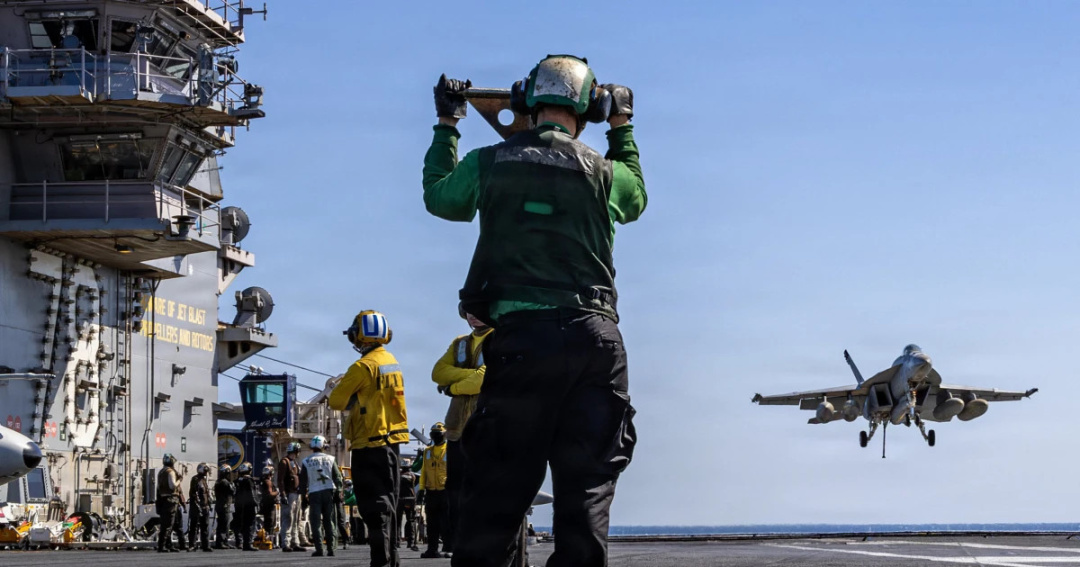
The CBO, a nonpartisan agency that provides budget and economic analysis, also noted that the Pentagon's recent findings revealed a shortfall in U.S. munitions due to the war, which has created supply chain bottlenecks. The agency estimates that it will take five years to replenish munitions expended during the conflict, which has already cost approximately $38 billion as of August 1. This figure does not account for the expenses related to repairing damage inflicted on U.S. military bases in the region.
Senator Elizabeth Warren has called for an end to the war, stating that it is negatively impacting both the economy and military readiness. The CBO report estimates that replacing missile defense interceptors alone will cost $13.1 billion, with the total cost to replace munitions reaching $21.7 billion. Maintaining the current level of military engagement is projected to require $2 billion to $3 billion per month, with costs increasing if the conflict escalates.