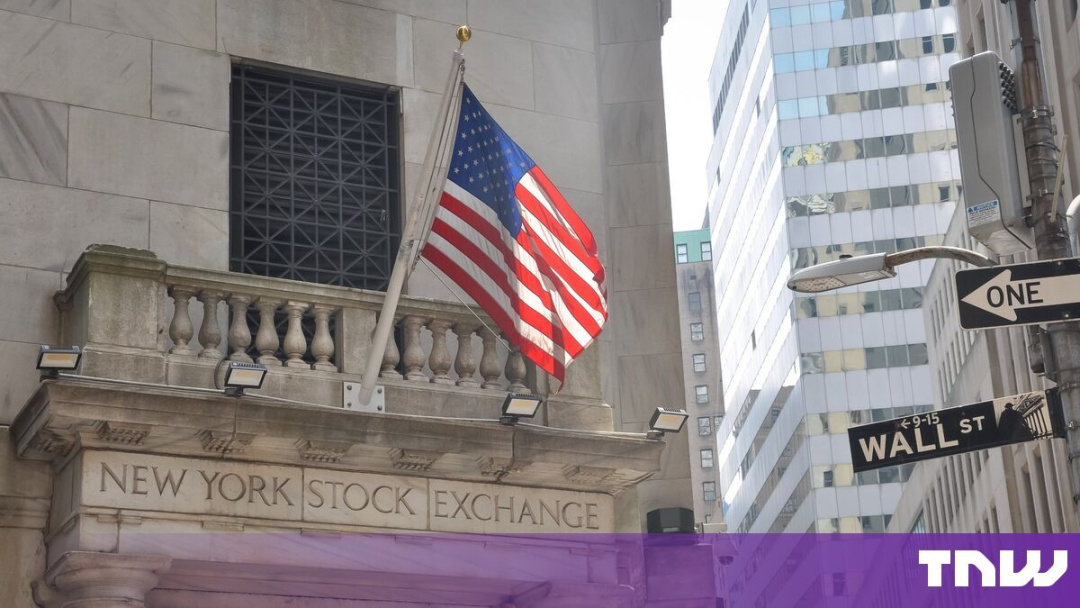
AI Stocks Rebound as Investor Confidence Grows Despite Market Decline

AI stocks experienced a notable rebound on September 15, recovering from a selloff the previous day that was sparked by Anthropic CEO Dario Amodei's call for caution in AI development. Despite the S&P 500 and Nasdaq continuing to decline, stocks of companies such as Qualcomm, AMD, and Marvell posted gains, indicating a divergence from the overall market sentiment. The S&P 500 closed down 0.48% and the Nasdaq fell 0.56%, yet the resilience of AI stocks highlighted investor confidence in ongoing hyperscaler spending plans.
The selloff began after Amodei published an essay advocating for a slowdown in the development of advanced AI models, citing safety concerns that he believed warranted more serious consideration. This sentiment was echoed by notable figures like Sam Altman of OpenAI and Elon Musk. On September 14, the Nasdaq Composite saw a significant drop, falling as much as 1.3% intraday before closing down approximately 0.56%. The Philadelphia Semiconductor Index was hit harder, dropping between 5% and 5.9%, with Nvidia and Micron also experiencing losses.
Market Reading & Resources
Sponsor funding complete. Trade on.
However, by Tuesday, many investors began to view the panic as overblown. They questioned whether a few critical essays and tweets could truly derail the substantial capital commitments in the AI sector. Analysts suggested that the selloff might be more of a transient reaction rather than indicative of a fundamental shift in the market.
Looking ahead, hyperscaler capital expenditures are projected to reach nearly $795 billion by 2026, with estimates for 2027 potentially exceeding $1.08 trillion. Amazon has increased its spending target for 2026 to $220 billion, while Microsoft has reported strong cloud growth and either maintained or raised its capital expenditure guidance.
Despite the high valuations across the sector, the market's willingness to accept premium pricing hinges on these significant spending plans translating into actual revenue growth. Recent earnings reports from Amazon and Microsoft indicate solid demand trends, suggesting that enterprise customers are actively utilizing and paying for AI-driven services.
The recent events surrounding Amodei's comments have also shed light on market psychology. AI stocks have become integral to the post-2022 equity recovery, and any perceived threat to this narrative can lead to sharp price fluctuations. Stocks that may drop significantly one day can rebound just as quickly the next, making volatility a characteristic that investors must now factor into their strategies.
Investors will be closely monitoring whether discussions around AI safety evolve into regulatory policies. If Amodei's call for restraint gains traction among regulators in Washington or Brussels, it could significantly alter the spending landscape. For the moment, however, the projected $795 billion in capital expenditures remains a strong indicator of the sector's potential.