Federal Reserve Increases Interest Rates for First Time Since 2023
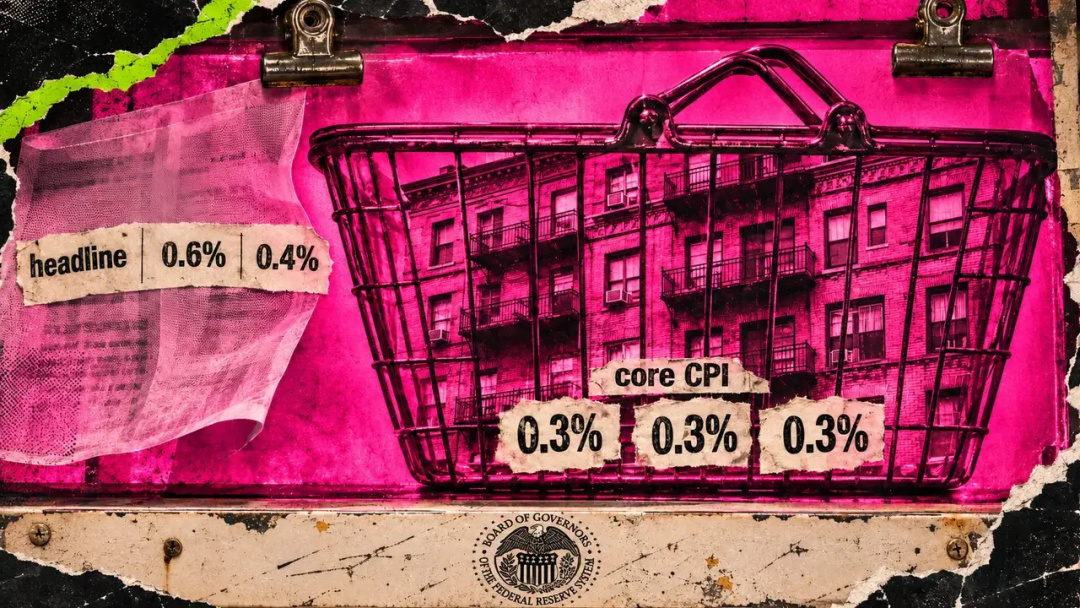
The Federal Reserve has reversed its previous course of easing monetary policy by raising the federal funds rate by 25 basis points to a target range of 3.75%-4.00% on September 16, 2026. This marks the first rate hike since July 2023, driven by ongoing inflation concerns. Recent economic data, including a core Consumer Price Index (CPI) increase of 0.29% month-over-month in August 2026, has reinforced the need for tighter monetary policy. Producer Price Index (PPI) data and strong retail sales figures indicate that consumer demand remains robust, contributing to upward pressure on prices. Geopolitical tensions have further complicated the inflation landscape by driving energy prices higher, with the Fed's preferred inflation metrics consistently exceeding the 2% target. Fed Chair Kevin Warsh hinted at this policy shift during the Jackson Hole symposium in August, emphasizing that price stability requires active measures. A Reuters poll indicated that 86 out of 101 economists expected the 25 basis point hike, with market probabilities ranging from 85% to 93%. Looking back to mid-2023, the federal funds rate peaked at 5.25%-5.50%, the highest in over two decades, before the Fed began a series of rate cuts as inflation cooled. However, by late 2025, inflation data began to surprise to the upside, prompting concerns within the Fed. The July 2026 FOMC meeting revealed internal divisions, with three regional Fed presidents advocating for a hike. The updated dot-plot projections are expected to indicate a higher median rate path than earlier forecasts. The more hawkish members of the committee predict an additional 50 to 75 basis points of tightening through early 2027, arguing that one quarter-point hike may not suffice to restore price stability if inflation remains elevated. Most economists surveyed by Reuters anticipate at least one more hike by March 2027. For the cryptocurrency markets, higher interest rates typically diminish the attractiveness of speculative assets, as they increase the opportunity cost of holding non-yielding positions. The previous tightening cycle from 2022 to 2023 saw Bitcoin decline approximately 65% from its peak in November 2021. The current federal funds rate of 3.75%-4.00% remains below the previous cycle's peak, but if the Fed continues to raise rates into 2027, it could impact stablecoin yields, DeFi lending rates, and on-chain economic activity. Treasury yields have already risen in anticipation of this tighter policy trajectory, which may affect institutional interest in crypto as an asset class, as higher risk-free rates elevate the expectations for alternative investments.
Market Reading & Resources
Sponsor funding complete. Trade on.