Internships as Essential Tools for College Students in a Tough Job Market
College students are currently facing one of the most precarious labor markets in recent history. A study conducted by the New York Federal Reserve indicates a notable increase in unemployment rates among recent graduates compared to other workers. Factors contributing to this trend include job displacement due to artificial intelligence and a general slowdown in hiring practices.
In response to these challenges, there has been a surge in trade-school and apprenticeship programs aimed at guiding young individuals into careers that are less susceptible to automation. However, students enrolled in community colleges and four-year institutions can also navigate these difficulties and embark on successful career paths through internships.
Market Reading & Resources
Sponsor funding complete. Trade on.
Researchers from The Ohio State University have examined two paid internship programs in the fields of science, technology, engineering, and mathematics (STEM) that have demonstrated effectiveness in helping students secure employment. Although these programs employ different methodologies, they both reveal four key lessons that colleges and employers can utilize to transform internships into viable career pathways.
Notably, a significant portion of students participating in these programs come from diverse and underrepresented backgrounds, with many being the first in their families to attend college. These internship initiatives can serve as powerful equalizers, providing opportunities that might otherwise be inaccessible.
Internships are recognized as one of the most effective tools within higher education for preparing students for the workforce. Extensive research indicates that students who engage in high-quality internships are more likely to receive job interviews and secure higher-paying positions after graduation. Despite this, the availability of internship opportunities is declining, even as the need for effective preparation becomes increasingly critical. The rise of artificial intelligence is reshaping entry-level positions, prompting employers to prioritize human skills that are difficult for machines to replicate, such as judgment, adaptability, and problem-solving abilities.
Academic leaders are becoming aware of these pressures. A survey conducted by Inside Higher Ed revealed that over one-third of university presidents and two-thirds of community college presidents plan to expand apprenticeship pathways in the coming years.
However, the quantity of internships is not the only factor that matters; the quality of these experiences is equally important. Research from the College Impact Laboratory highlights the significance of combining substantive work with mentoring and professional development, rather than merely placing students in roles that treat them as inexpensive labor. This distinction underscores the necessity of structured and meaningful internship experiences to foster successful career outcomes.
One of the programs, known as Drive to Thrive, employs an 'earn-as-you-learn' approach. This initiative partners with Ford dealerships, allowing students to alternate between classroom instruction and paid work experience. Participants work alongside seasoned technicians, diagnosing and repairing vehicles while receiving ongoing coaching.
This model mirrors the European approach to traineeships for young individuals. The program has reached 635 students across 18 community colleges, including 345 first-generation college students and 300 students of color. Feedback from interviews and focus groups indicates that a majority of participants felt the internship helped them view themselves as professionals, with many affirming their career choices.
Statistical data also supports the effectiveness of this approach, showing that students in the earn-as-you-learn program were nearly 50% more likely to graduate compared to a matched comparison group.
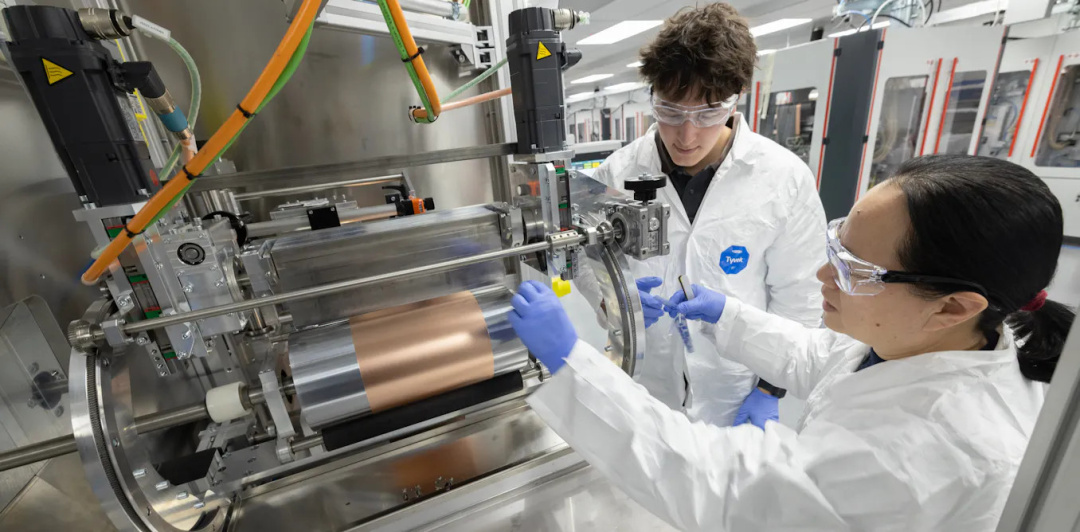
The other program focuses on clean energy manufacturing and involves students from various institutions, including a major research university, a historically Black university, and a community college. This initiative spans ten weeks and integrates workplace learning with professional development workshops, peer networking, community engagement, and projects with industry partners such as Honda and Stellantis.
A unique aspect of this program is the assignment of multiple mentors to each student, fostering relationships with faculty, technical experts, employers, and peers. This network enhances students' confidence, professional identity, and sense of belonging, complementing the technical skills they acquire.
To date, over half of the participants in the 2025 cohort have secured new internships or job interviews, with industry partners expressing interest in rehiring several members of the 2026 cohort as interns, thereby extending their training and facilitating entry into clean-tech careers.
Based on these findings, it is recommended that colleges develop broader support networks around internships, rather than relying solely on a single supervisor for a student's professional development.
From both programs, four essential principles have emerged. The first emphasizes the importance of meaningful work, where interns should engage with real organizational challenges that yield significant outcomes. For instance, two interns worked on a safety issue for Honda, developing solutions to prevent battery cells from overheating and presenting their findings to industry representatives.
The second principle highlights the necessity of a supportive network for students. A liaison between educational institutions and industry partners is crucial to ensure that students receive comprehensive guidance and do not fall through the cracks. Access to faculty, industry supervisors, technical experts, and peers is vital, as each provides different forms of support.
The third principle encourages students to normalize struggle. Internships should be viewed as learning environments where students can experiment, fail, and learn from their experiences. Educators should promote the idea that challenges are part of the professional development process, encouraging students to seek help when needed.
Finally, it is essential to make interns' contributions visible. Opportunities for presentations, project showcases, and recognition from industry professionals reinforce the significance of students' work and strengthen their professional identities.
In conclusion, universities and industries should take these lessons to heart, as they extend beyond specific fields like clean energy manufacturing and automotive technology. Successful programs create ecosystems that determine whether students merely complete internships or successfully launch their careers. As colleges adapt to evolving labor markets, they should focus not only on the quantity of internships but also on the quality of these opportunities, ensuring they help students become confident and capable professionals.