US Mortgage Rates Reach 7% Amid Inflation and Geopolitical Tensions
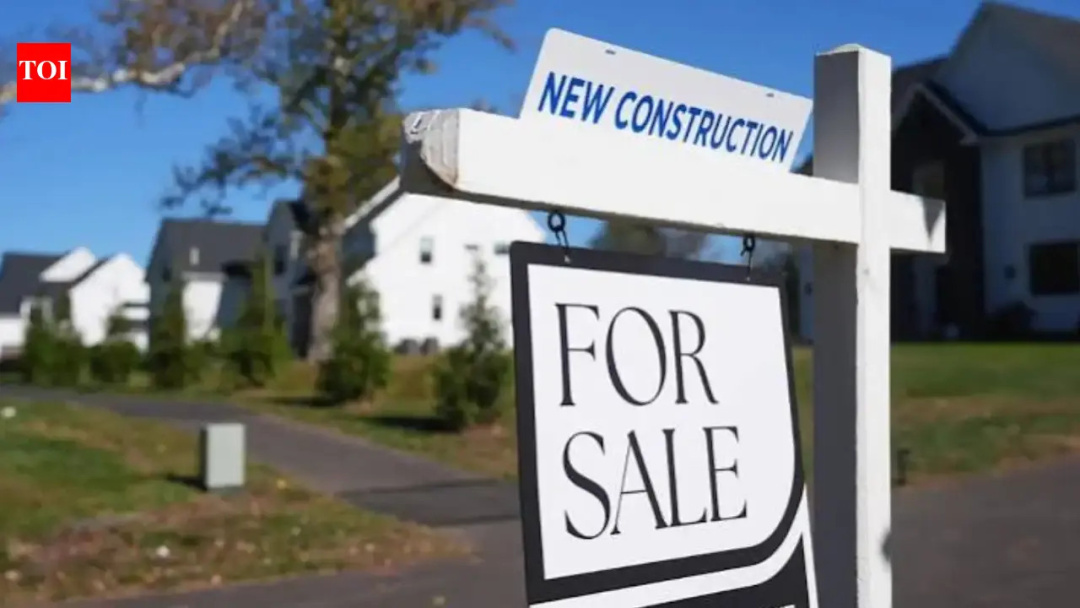
The US housing market is currently experiencing significant pressure as mortgage rates have surged to 7%, raising affordability concerns for potential buyers already struggling with record-high home prices and an uncertain economic environment. According to Freddie Mac, the average rate on a 30-year fixed mortgage was reported at 6.76% last week, but daily rates have since surpassed 7%, as noted by Mortgage News Daily. Economists suggest that while the 7% threshold may not drastically alter affordability, it could further deter buyers who have been hesitant to enter the market. Michael Fratantoni, chief economist at the Mortgage Bankers Association, indicated that such a spike in rates might cause prospective home buyers to reconsider their decisions to apply for loans or make offers on homes. The last time mortgage rates reached 7% was in January 2025, but they have not remained above this level for an extended period since the latter half of 2023. Prior to 2022, rates had not touched 7% since 2001. The rise in mortgage rates is closely linked to the 10-year US Treasury yield, which recently crossed 5% for the first time since late 2023. This increase in rates is compounded by ongoing inflation concerns and the geopolitical instability stemming from the Iran war, which has added to the challenges facing the housing market. The Federal Reserve is anticipated to raise its benchmark rate for the first time in three years, which could either lower mortgage rates if it reassures markets about inflation or raise them further if inflation risks are perceived to worsen. Existing home sales have already been weak, with the National Association of Realtors reporting a 2% decline in August from the previous month, marking the lowest sales rate since June of the previous year. The combination of high prices and increased borrowing costs poses a significant challenge for prospective buyers, as even a slight rise in mortgage rates can substantially increase the total interest paid over a 30-year loan. Additionally, buyers may find it difficult to rely on refinancing options in the near future if rates remain elevated. Earlier this year, a temporary dip in rates below 6% sparked a surge in buyer interest, raising hopes for a housing market recovery. However, the recent escalation in rates following military actions involving the US and Israel against Iran has dampened this optimism. Weak demand is prompting some sellers to reconsider listing their homes, with many opting to wait rather than accept lower offers in a sluggish market. At present mortgage rates, buyers could face monthly payments nearing $5,000. One notable difference between the current market and the housing slump of 2023 is the increased inventory available to buyers. In 2023, many homeowners with low-rate mortgages were reluctant to sell, fearing they would have to take on more expensive loans. This shortage of homes intensified competition and drove prices higher. However, as more homeowners decide to sell, tired of waiting for rates to drop, inventory levels are approaching pre-pandemic figures. Yet, a return to 7% mortgage rates could hinder this improvement, as homeowners with low existing rates may again lack incentives to sell, limiting the supply of homes. Rising borrowing costs could also negatively impact new home construction, as builders are increasingly offering mortgage-rate discounts to attract buyers in a sluggish market. As rates rise, these incentives become costlier, potentially squeezing builders' profits and reducing their willingness to increase construction. Economists do not foresee a rapid return to the exceptionally low mortgage rates seen during the pandemic.
Market Reading & Resources
Sponsor funding complete. Trade on.