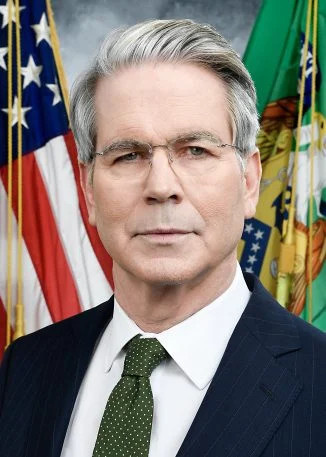
Bessent Testifies on US Economic Strength Amid Rising Oil Prices
Treasury Secretary Scott Bessent recently addressed the House Financial Services Committee, presenting a positive outlook on the US economy while facing tough questions about inflation and rising energy costs. Bessent's testimony emphasized significant economic indicators, including a 27% rise in the S&P 500 since President Trump's inauguration and an unemployment rate of 4.1%, which many economists consider healthy. He noted that over 64 million tax returns have benefited from recent tax cuts, suggesting that fiscal policies are effectively reaching American households.
Despite these positive figures, lawmakers expressed concern over the implications of rising oil prices, which have surpassed $100 per barrel. Bessent attributed much of the inflationary pressure to the administration's economic isolation campaign against Iran, which has led to supply constraints affecting energy costs and consumer prices. The national debt has also crossed the $40 trillion mark, raising alarms about the long-term fiscal health of the country.
Market Reading & Resources
Sponsor funding complete. Trade on.
Bessent acknowledged the challenges posed by inflation but maintained that the administration's policies are designed to stabilize the economy. He pointed out that higher Treasury yields, which recently touched 5%, indicate increased borrowing costs for consumers and the government alike. This situation complicates the economic landscape as higher yields can lead to more expensive mortgages and loans.
As midterm elections approach, economic perceptions among voters are likely to be influenced by everyday expenses, particularly gas and grocery prices. While the stock market's performance may bolster retirement accounts, it does not alleviate the financial strain felt by households grappling with high fuel costs.
The implications of Bessent's testimony extend beyond traditional economic metrics. The rising national debt and fluctuating Treasury yields have sparked interest in alternative assets like Bitcoin, as investors seek hedges against fiscal irresponsibility. Additionally, the sanctions against Iran have historically increased demand for alternative payment methods, including cryptocurrencies, as traditional banking channels become less accessible.
The surge in energy prices presents a dual challenge for Bitcoin miners, whose operational costs are rising alongside electricity prices. Those without long-term power agreements may find their profit margins squeezed if oil prices remain elevated for an extended period. Bessent's testimony thus encapsulates the complexities of the current economic environment, balancing strong performance indicators against the backdrop of rising costs and fiscal challenges.