Federal Reserve Faces Pressure to Raise Interest Rates Amid Economic Concerns
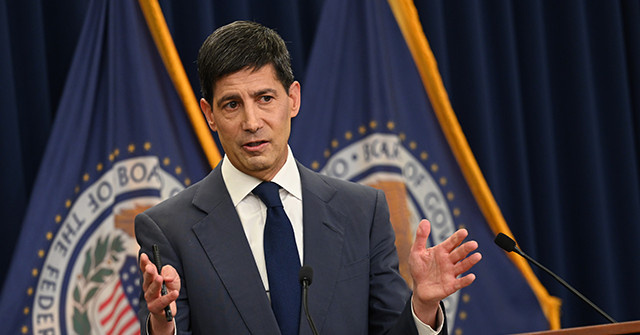
The Federal Reserve is expected to raise interest rates soon, but some economists suggest that this may not be the best course of action at the moment. A modest increase in rates might not significantly disrupt the economy, yet there is no urgent need for such a move. The Fed could benefit from exercising patience before making any decisions.
Recent discussions among Fed officials have introduced a theory regarding inflation expectations, suggesting that repeated supply shocks could lead to a permanent rise in inflation expectations. However, evidence supporting this theory is lacking, as inflation expectations have remained stable despite recent economic challenges.
Market Reading & Resources
Sponsor funding complete. Trade on.
The inflation experienced during the Biden administration has been attributed more to fiscal policies and deficit spending rather than supply chain issues. This context raises questions about the necessity of a rate hike, especially when market expectations are already leaning heavily towards an increase.
The Fed funds futures market indicates a high probability of a rate hike, and many economists anticipate a quarter-point increase. This expectation has been fueled by recent economic data, including a stronger-than-expected labor market report and rising consumer price indices.
However, some experts, including Mark Zandi from Moody's Analytics, warn that hastening the reduction of inflation could lead to economic contraction, job losses, and increased unemployment. The challenge lies in balancing the need to control inflation without stifling economic growth.
Higher energy prices are already exerting pressure on consumers and businesses, and raising interest rates could exacerbate these issues without addressing the root causes of inflation. The Fed's actions could inadvertently harm consumer spending, which has been a key driver of economic resilience.
Additionally, the ongoing investment boom in artificial intelligence may be reaching a plateau, further complicating the economic outlook. A slowdown in this sector could have broader implications for demand in related industries.
In summary, while the Fed is under pressure to act, maintaining current rates could provide the flexibility needed to respond to evolving economic conditions. A cautious approach may allow for a more informed decision-making process in the future, avoiding unnecessary harm to the economy and labor market.