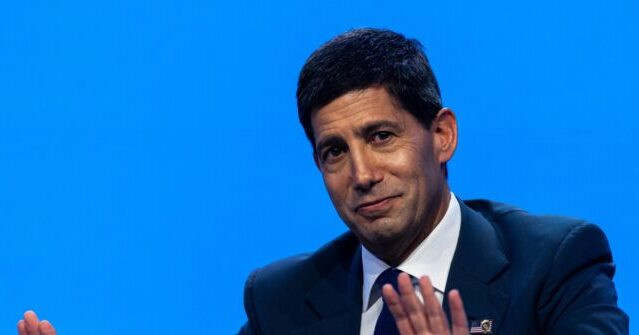
Trump Advocates for Record Low Interest Rates Before Fed Meeting
President Trump has expressed a desire for the United States to have the lowest interest rates globally, making this declaration from an Irish golf course just days before the Federal Reserve's policy meeting. Speaking at the Irish Open in Doonbeg on September 13, he stated that the US should be paying the lowest interest rate in the world, just two days before the Fed's meeting begins on September 15.
Currently, the federal funds rate is set in a target range of 3.50% to 3.75%. Trump has suggested that rates should be as low as 1% or even lower, which would represent a significant reduction of more than 250 basis points from current levels. His argument is that high interest rates put the US at a competitive disadvantage compared to other nations, increase the burden of servicing a national debt that exceeds $39 trillion, and hinder economic growth.
Market Reading & Resources
Sponsor funding complete. Trade on.
Despite ongoing inflationary pressures and rising oil prices, market participants are anticipating that Fed Chair Kevin Warsh, appointed by Trump in 2026, may opt to raise rates instead of cutting them. Trump's advocacy for lower rates extended to social media, where he warned, "LOWER THE RATE OR I’LL STOP TRADING WITH COUNTRIES WITH WHICH WE HAVE A DEFICIT."
White House economic adviser Kevin Hassett offered a more measured perspective, indicating that Trump might accept a rate hike if economic conditions warrant it. The upcoming Fed meeting on September 15-16 carries significant political weight alongside its economic implications, as investors consider two contrasting scenarios.
If the Fed decides to maintain or lower rates, equity markets could respond positively, as lower borrowing costs typically encourage corporate investment and consumer spending. Sectors such as technology and real estate, which are sensitive to interest rates, would likely benefit the most.
Conversely, if Warsh proceeds with a rate hike, the increased borrowing costs would affect various sectors, from mortgages to corporate credit lines. Higher rates could compress stock valuations, particularly for companies whose valuations are based on future earnings expectations. The current federal funds range already reflects previous cuts made under earlier Fed leadership, aimed at supporting the economy during uncertain times. A shift in policy now would signal that the Fed prioritizes inflation concerns over the potential for slowing growth.