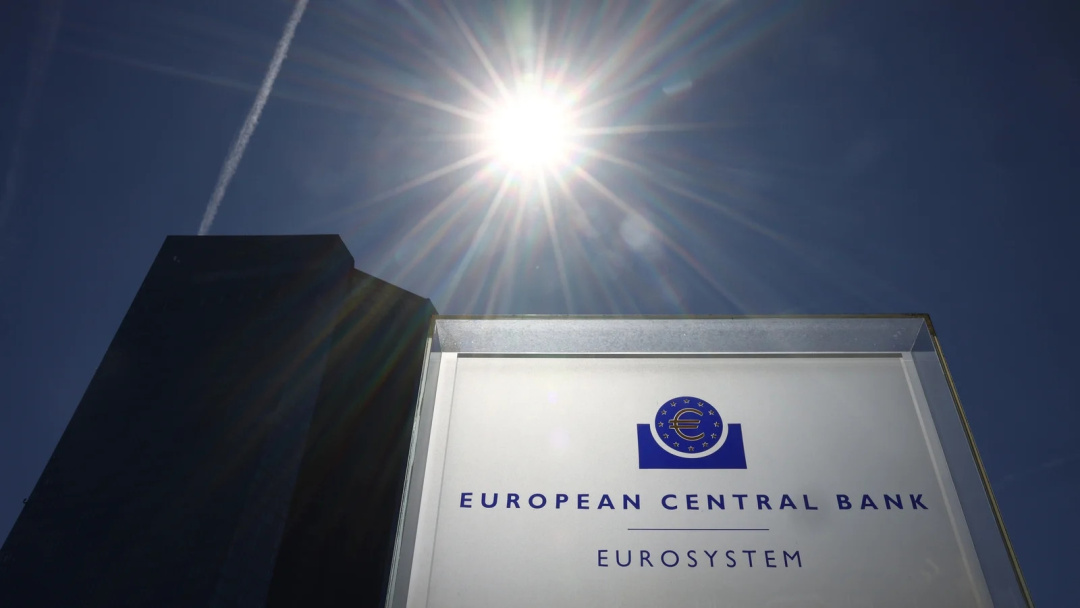
ECB Raises Growth Forecast and Interest Rates Amid Inflation Concerns

The European Central Bank (ECB) has taken a notable step by raising both its growth forecast and interest rates in a move that reflects a complex economic landscape. During the Governing Council meeting on September 10, 2026, Chief Economist Philip R. Lane presented an economic outlook that balances cautious optimism with a strategic approach to inflation. The ECB increased its key interest rates by 25 basis points to 2.50%, effective September 16. This decision comes alongside revised projections indicating that real GDP growth for 2026 is now expected to reach 0.9%, a slight increase from the previous forecast.
In the second quarter of 2026, the euro area experienced a GDP growth of 0.4%, surpassing initial expectations. Lane's projections suggest a continued positive trajectory, with anticipated growth rates of 1.4% in 2027 and 1.5% in 2028. The domestic economic environment appears robust, bolstered by improved consumer and business confidence, which is driving spending. However, external competitiveness remains a concern.
Market Reading & Resources
Sponsor funding complete. Trade on.
The inflation outlook presents a more complicated picture. The ECB's preferred measure, HICP inflation, is projected to average 3.0% for 2026, significantly exceeding the central bank's target of 2%. Lane's forecasts indicate that inflation may peak at 3.6% in the fourth quarter of this year before gradually declining to 2.5% in 2027 and 2.1% in 2028. This inflationary pressure is largely attributed to elevated oil and gas prices, which have been influenced by supply disruptions and geopolitical tensions in the Middle East.
Market analysts view the recent rate hike as a hawkish signal, anticipating further tightening measures due to ongoing inflationary pressures stemming from energy concerns. Lane acknowledged the considerable uncertainty regarding the duration and impact of the Middle East conflict, which could significantly affect energy prices.
The ECB's decision to raise rates by 25 basis points, rather than opting for a more aggressive 50 basis point increase, suggests a careful monitoring of economic data rather than a reactionary approach. This measured step has immediate implications for the financial landscape. A higher interest rate differential typically strengthens the euro against other currencies, which can help mitigate imported inflation, particularly for energy priced in dollars. However, a stronger euro may also render European exports more expensive for foreign buyers, exacerbating the external competitiveness challenges highlighted by Lane.
For fixed-income markets, the rise in interest rates is likely to exert continued pressure on bond prices. Euro-denominated sovereign debt yields are expected to rise, affecting the cost of government borrowing across the eurozone. Countries with higher debt-to-GDP ratios, such as Italy and Greece, may experience more pronounced effects compared to their northern counterparts.
The gap between the ECB's projected inflation rate of 2.1% for 2028 and the current average of 3.0% underscores the central bank's commitment to ensuring that its policy measures will be effective over time, contingent on favorable energy price developments.