Waller Critiques Forward Guidance for Slowing Fed Response to Inflation
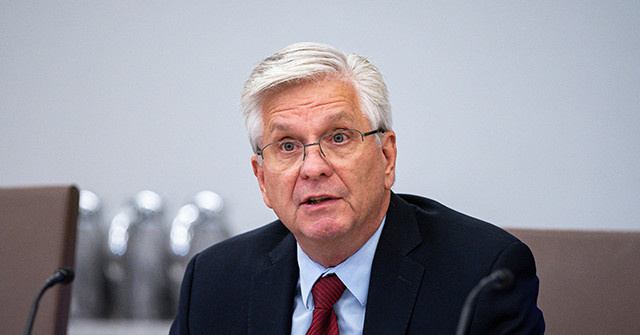
In a recent speech at a Bank of Italy conference in Rome, Federal Reserve Governor Christopher Waller discussed the implications of forward guidance on monetary policy. This address marked a significant moment as it was the first major speech by a Fed official since Kevin Warsh took the helm. Waller emphasized that initial economic conditions should guide policy decisions, rather than relying on historical averages or assumptions about reverting to previous conditions. He illustrated this point by referencing the post-pandemic labor market, where a high vacancy-to-unemployment ratio allowed for monetary tightening without triggering significant layoffs. This scenario contributed to what Waller described as a 'soft landing' for the economy.
Waller's remarks also focused on the pitfalls of forward guidance, aligning with Warsh's views. He pointed to September 2020, when the Fed's commitment to maintaining low rates for an extended period restricted its ability to respond to rising inflation. Waller characterized this rigid approach as a misstep, suggesting that it hindered timely action against inflationary pressures. He asserted that the Fed's slow reaction to incoming data exacerbated inflation, a concern that Warsh has been vocal about in his push for reforming central bank communication.
Market Reading & Resources
Sponsor funding complete. Trade on.
Despite acknowledging the challenges posed by inflation, Waller rejected the notion that the Fed lacked commitment to achieving its two percent inflation target. He clarified that the focus should be on the pace of reaching this goal rather than questioning the commitment itself. Waller noted that the economic landscape has shifted dramatically over the past year, with inflation now emerging as a more pressing issue compared to the slowing economy of the previous year.
As inflation rates have surged, Waller highlighted signs that the situation may be stabilizing. He pointed out that gasoline prices have dropped significantly, and major retailers like Walmart have implemented substantial price reductions. Additionally, the Truflation CPI index has shown a decrease in year-over-year inflation rates. Waller's observations suggest that while inflation remains a concern, there are indicators that it may be on the decline, prompting a reevaluation of monetary policy strategies moving forward.