RBNZ Raises Interest Rate for First Time in Three Years
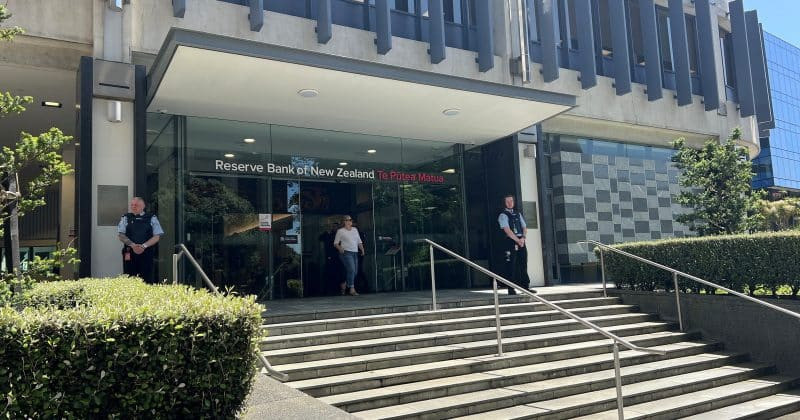
The Reserve Bank of New Zealand (RBNZ) has raised its Official Cash Rate by 25 basis points to 2.5%, marking the first increase in three years. This decision, made on July 8, comes as inflationary pressures, driven by rising energy costs linked to geopolitical tensions in the Middle East, continue to challenge the economy. The RBNZ's action signals a shift from its previous easing cycle, reflecting concerns over persistent inflation that has not subsided as anticipated.
The decision to hike rates was not entirely unexpected, although the path to this point was complicated. In May, the RBNZ's Monetary Policy Committee was deadlocked on whether to adjust rates, with Governor Anna Breman casting the deciding vote to maintain the rate at 2.25%. Despite this pause, the central bank indicated that rate hikes would likely need to occur sooner and more aggressively than previously projected.
Market Reading & Resources
Sponsor funding complete. Trade on.
External pressures, including a call from the International Monetary Fund, have also influenced the RBNZ's decision-making, urging the bank to raise rates sufficiently to achieve a neutral level by the end of the year. The RBNZ now forecasts that headline inflation will peak at 4.3% in the third quarter of 2026, gradually returning to its target midpoint of 2% by mid-2027.
The impact of this rate hike will be felt across various sectors, particularly in New Zealand's housing market, which has historically reacted sensitively to changes in interest rates. As mortgage costs rise, potential buyers may face increased financial strain.
Currency traders are closely monitoring the situation as well. Typically, a rate hike strengthens the local currency, and the New Zealand Dollar may experience upward pressure as the yield differential becomes more favorable. While a stronger NZD can make imports cheaper, it may also reduce the competitiveness of New Zealand's exports in international markets.
The next review of the Official Cash Rate is scheduled for September 2, 2026, providing markets with time to adjust to this recent change. For the cryptocurrency sector, the trajectory of global interest rates remains a critical factor. Higher rates in developed economies tend to tighten liquidity, making riskier assets like Bitcoin and altcoins less appealing compared to yield-bearing investments. With the RBNZ offering a risk-free return of 2.5% on government securities, the opportunity cost of holding non-yielding crypto assets increases.
The RBNZ's projected timeline for inflation will be closely watched. If inflation does peak in Q3 2026 and returns to the target by mid-2027, the current rate hiking cycle may be relatively short-lived. The upcoming September review will be pivotal; any indication of further rate hikes or upward revisions to the inflation forecast could confirm a more aggressive tightening path ahead.