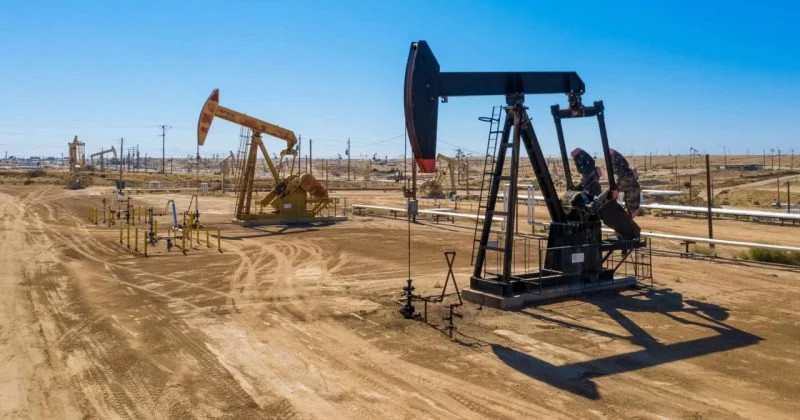
Oil Prices Surge Toward $100, Impacting Inflation and Market Sentiment
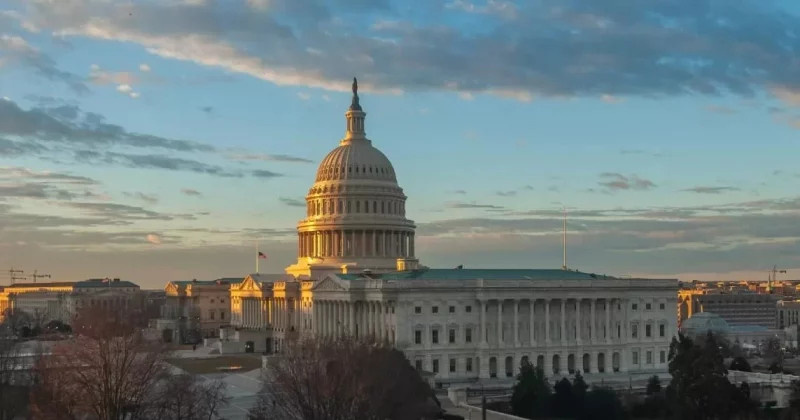
Brent crude oil has climbed to its highest level since late July, reaching nearly $100 per barrel, which complicates the Federal Reserve's rate decision just days before a critical inflation reading. This surge in oil prices has heightened inflation concerns, particularly in light of recent geopolitical tensions involving the US and Iran, which have raised the risk of supply disruptions. Bitcoin and other major cryptocurrencies saw a recovery from early losses as easing oil prices improved market sentiment. Bitcoin rebounded to $78,800 after dipping below $78,000 earlier in the session, while other cryptocurrencies like XRP, Ether, and Solana also posted gains.
As US stocks adjusted to the market conditions, the Nasdaq index experienced only a slight decline of 0.1% by midday. Brent crude prices briefly approached $100 before pulling back to around $97.5. The market remains focused on inflation and monetary policy, especially after stronger-than-expected jobs data for August increased the likelihood of a Fed rate hike. Traders are currently pricing in a 58.4% chance of a rate increase this month, with the Producer Price Index and Consumer Price Index reports due later this week expected to influence the central bank's decision.
Market Reading & Resources
Sponsor funding complete. Trade on.
The recent spike in oil prices has been attributed to escalating tensions in the Middle East, particularly attacks on Saudi energy facilities. Analysts have pointed out that diesel and refined products are significant pain points, as rising diesel prices can create inflationary pressures that are difficult for the Federal Reserve to overlook. The timing of these developments is critical, as the CPI report is set to be released on Friday, and its outcome will carry significant weight in the Fed's upcoming rate decision on September 16.
The Federal Reserve, under the leadership of Chair Kevin Warsh, has been navigating mixed signals in the economy for months. Inconsistent employment data and fluctuating inflation readings have made it challenging to establish a clear policy direction. Previous spikes in oil prices have contributed to inflation peaking at 4.2% year-over-year in May, and renewed geopolitical tensions have reignited those inflationary pressures.
The market's current pricing of a 58.4% probability for a rate hike indicates a cautious stance among institutional investors, who are hedging their bets in a climate of uncertainty. The recent sell-off in the stock market was not uniform; the Dow Jones Industrial Average fell by approximately 519 points, or 0.97%, while the S&P 500 dropped 0.30%. In contrast, the Nasdaq Composite experienced only a negligible decline of 0.06%, suggesting that growth and technology stocks are currently less affected by the anxiety surrounding oil prices.
Looking ahead, the next few days present a series of potential catalysts for the market. Continued increases in oil prices could exacerbate inflation fears, while the upcoming CPI report will either confirm or alleviate those concerns. The Federal Reserve's meeting on September 16 will be a pivotal moment, as it will translate these competing data points into actual policy decisions.