Centre for Social Justice Calls for Tobacco Tax Review Amid Rising Crime
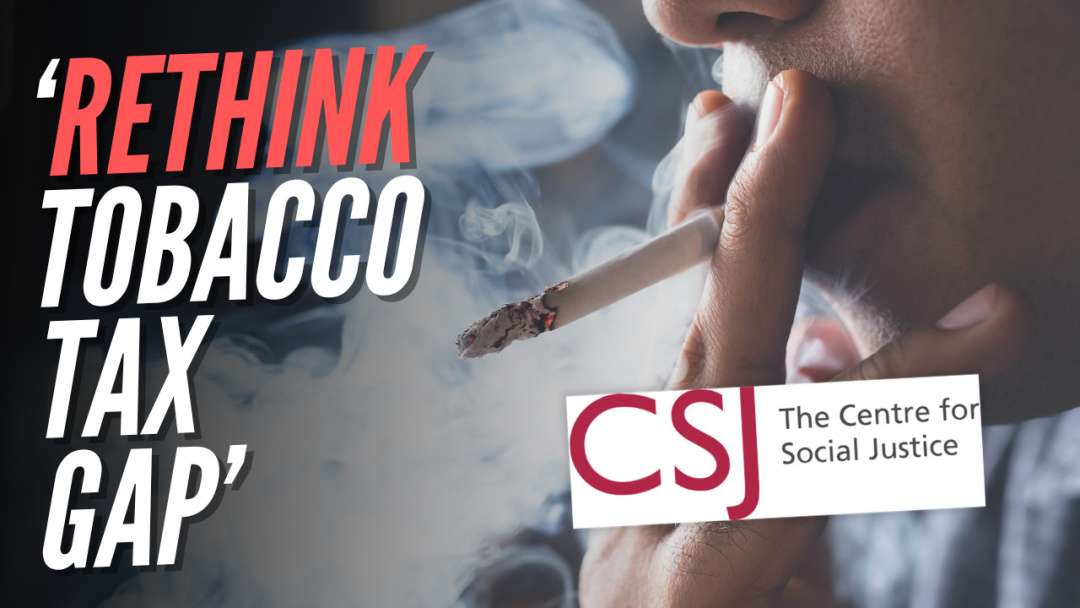
The Centre for Social Justice has called on HMRC to rethink its approach to measuring the tobacco tax gap and to consider limiting future duty hikes to inflation. Currently, HMRC estimates the number of cigarettes smoked, subtracts legal sales, and categorizes the remainder as part of the black market. This method relies heavily on telephone surveys that ask individuals about their smoking and purchasing habits, raising questions about the reliability of the data, especially regarding illicit purchases.
In its report titled "Hijacked High Streets: A Plan to Repair Britain’s Broken High Streets," the think tank recommends that HMRC conduct an independent review of its methodology for measuring tax gaps. It suggests that if evidence indicates that the negative consequences of high tobacco duties outweigh public health benefits, HM Treasury should pause the tobacco duty escalator in favor of an inflation-only increase. Additionally, the report calls for a review of the Vaping Products Duty rate.
Market Reading & Resources
Sponsor funding complete. Trade on.
A Trading Standards officer has warned about the unprecedented level of criminality affecting local high streets, stating that organized crime groups now dominate the tobacco business. This situation reflects a broader trend of increasing crime linked to the illicit tobacco market.
The report also draws parallels with Australia, where the Senate Legal and Constitutional Affairs References Committee has recommended pausing any further increases to tobacco excise until significant progress is made in eliminating the illicit market. In Australia, it is estimated that 80% of cigarettes and nicotine products consumed are now illicit.
Both major opposition parties in Australia have expressed support for cuts to tobacco excise, with proposals for substantial reductions aimed at encouraging smokers to return to the legal market. This raises questions about whether similar actions will be considered in the UK as the government grapples with the challenges posed by high street crime and the illicit tobacco trade.
Former Treasury minister Lord Jim O’Neill commented on the current economic climate, noting that rising gilt yields signal investor concerns about the government's fiscal strategy. He emphasized the importance of presenting a credible plan to stabilize the economy, particularly in light of potential increases in mortgage rates if the situation does not improve.