Japanese Yen Reaches Seven-Month High Against U.S. Dollar Ahead of CPI Data
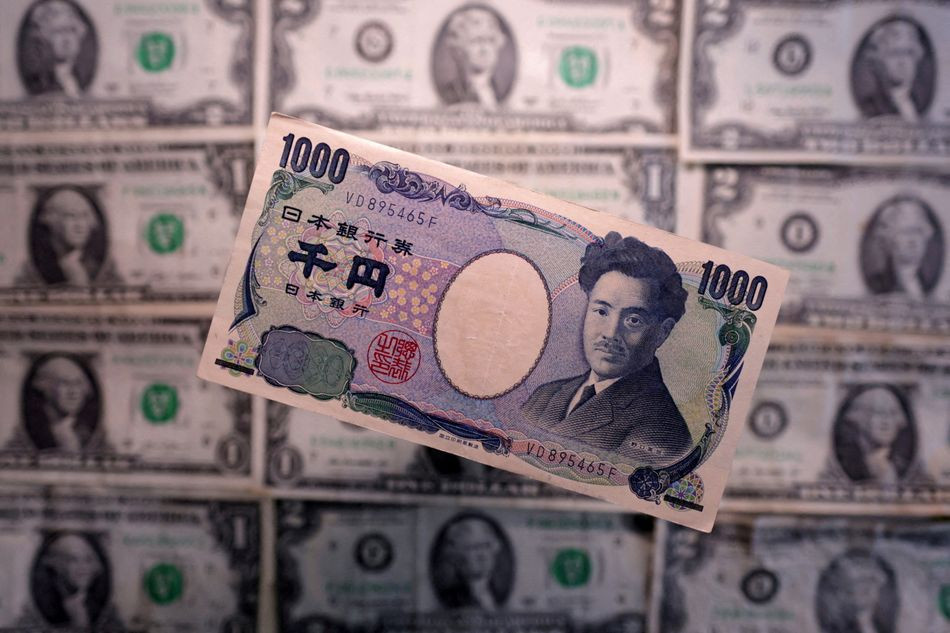
The Japanese yen climbed to a seven-month high against the U.S. dollar on Tuesday, as traders continued to unwind short positions amid increasing expectations of an interest rate hike by the Bank of Japan. In morning trading, the yen strengthened to as much as 152.89 per dollar, surpassing levels seen during Japan's July intervention and marking its strongest point since February. Although it later pared some gains, it was last recorded at 153.32.
This increase adds to the yen's 1.2% rise during a thin trading session on Monday, coinciding with a U.S. holiday, and reflects a firming of approximately 4.5% from around 160 yen per dollar early last week. Analysts attribute this shift to various factors, including expectations for a quicker pace of tightening by the Bank of Japan, potential repatriation of funds by Japanese investors, and political pressures from the U.S. that are influencing the currency's trajectory.
Market Reading & Resources
Sponsor funding complete. Trade on.
Khoon Goh, head of Asia research at ANZ, noted that the yen's strengthening triggered numerous stop-loss orders, particularly as it broke through key resistance levels. He remarked that such momentum can be self-reinforcing, depending on the number of short yen positions that remain to be liquidated, with the next significant level to watch being 150.
In the broader market, the dollar index, which measures the greenback against a basket of currencies, showed slight weakness at 98.83, reflecting the yen's strength. Meanwhile, the euro and sterling remained largely unchanged, trading at $1.1625 and $1.3535, respectively.
Attention now turns to upcoming U.S. inflation readings, which are the last major data releases before the Federal Open Market Committee (FOMC) meeting scheduled for September 15-16. Following a stronger-than-expected nonfarm payrolls report released on Friday, traders are pricing in a roughly 60% chance of a Federal Reserve rate hike this month.
Additionally, geopolitical tensions in the Gulf are being monitored for their potential impact on inflation, especially after Iran issued threats of retaliation against any new U.S. attacks on its assets, highlighting vulnerabilities in energy infrastructure across the region, including U.S. oil and gas interests.
Oil prices have remained elevated, hovering near a six-week high, with Brent crude futures firmly above $97 a barrel. The New Zealand dollar showed a slight increase at $0.5882, while the Australian dollar remained stable at $0.7219. In contrast, China's yuan remained flat near a 3-1/2-year high at 6.71 per dollar, following data indicating that the country's exports grew at a faster pace in August.