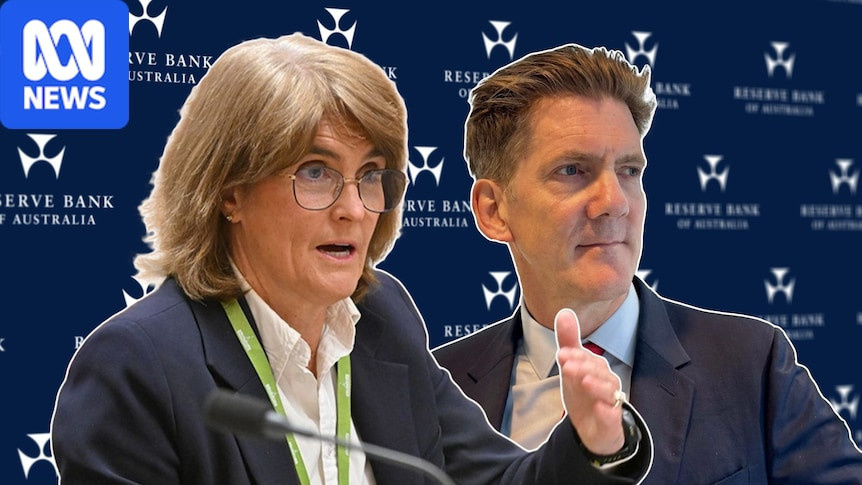
Reserve Bank of Australia Focuses on Inflation Amid Housing Market Stress

The Reserve Bank of Australia (RBA) is steadfast in its commitment to tackling elevated inflation, as articulated by Assistant Governor Sarah Hunter. She underscored that the central bank's board considers inflation its foremost concern and may need to increase interest rates further to manage it effectively. Following its August 2026 meeting, the RBA maintained its cash rate at 4.35%, having already implemented three rate hikes earlier in the year. Although headline inflation has moderated to approximately 4% year-on-year as of mid-2026, underlying inflation remains stubbornly high at around 3.6%. The RBA aims for a target band of 2-3%, indicating that core price pressures are still significantly above desired levels.
The RBA's projections present a challenging outlook, with inflation not expected to return to the target midpoint until early 2028. Hunter's statements left little doubt about the central bank's intentions, suggesting that a higher inflation outlook necessitates rate increases to achieve its targets. Notably, the persistent inflation is not primarily driven by typical factors such as imported goods or energy prices; instead, it is concentrated in the services and non-tradables sectors, compounded by external supply shocks.
Market Reading & Resources
Sponsor funding complete. Trade on.
In addition to inflation concerns, the RBA anticipates a rise in unemployment, projected to reach around 4.6%. This situation places the RBA in a classic central banking dilemma, where short-term employment challenges may need to be traded off for long-term price stability. For bond markets, this signals that the RBA is unlikely to pivot towards interest rate cuts in the near future. While many global central banks are beginning to ease their monetary policies or at least pause with a dovish approach, Australia is charting a distinctly hawkish path.
The housing sector is particularly noteworthy, as property prices and interest rate expectations are closely linked in Australia, where household debt-to-income ratios are among the highest in the world. The RBA's focus on inflation and its potential implications for the housing market will be critical as the economic landscape evolves.