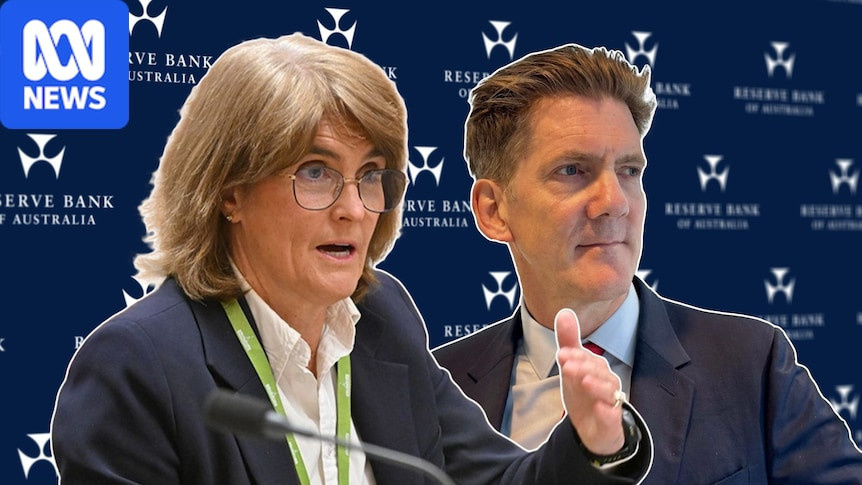
RBA's Sarah Hunter Indicates Need for Economic Contraction to Control Inflation
Sarah Hunter, the Assistant Governor for Economics at the Reserve Bank of Australia (RBA), has presented a challenging perspective on the nation's economic strategy. She suggests that to bring inflation back within the target range of 2-3%, it may be necessary to intentionally slow down the economy, which could result in increased unemployment. This warning comes as Australia grapples with a cash rate of 4.35%, following three rate hikes in 2026. Hunter's remarks reflect a common dilemma faced by central banks: managing stubborn inflation while navigating complex supply chain issues and a tight labor market.
Hunter pointed out that geopolitical factors, particularly high oil prices, could further elevate inflation expectations. To counter this, the RBA might need to create a gap between demand and the economy's supply capacity, effectively cooling economic activity until spending aligns more closely with production capabilities. This approach echoes strategies from past economic downturns, notably the early 1990s recession, which saw unemployment soar above 10% and resulted in a prolonged recovery period.
Market Reading & Resources
Sponsor funding complete. Trade on.
According to the RBA's forecasts, unemployment is expected to rise to 4.6%, a level deemed necessary to sustainably control inflation. Hunter characterized the inflation data for the second quarter of 2026, released on July 30, as slightly softer than anticipated. However, she emphasized that this single data point should not alter the broader narrative, as the labor market remains tight and continues to align with the RBA's projections despite fluctuations in employment figures.