Apple Raises Prices Amid Rising Inflation Concerns
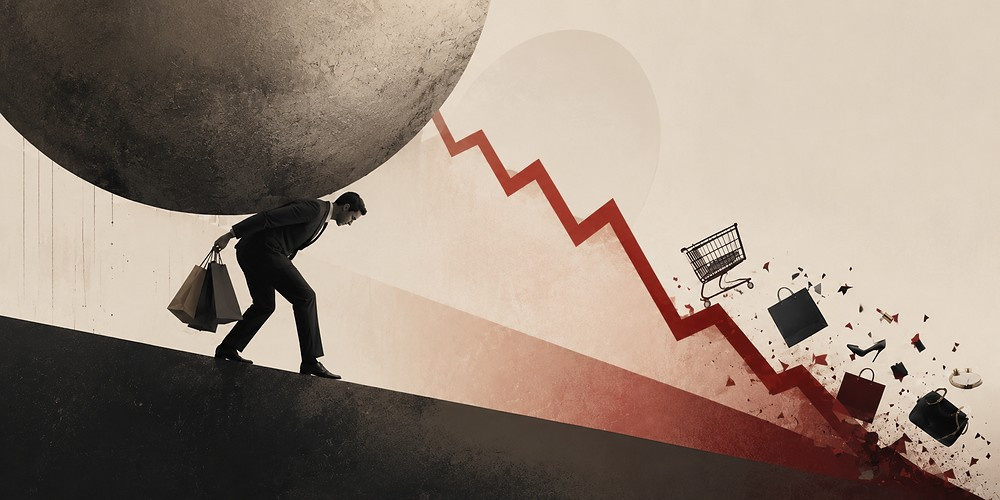
On June 25, 2026, Apple Inc. (Nasdaq: AAPL) announced price increases for its computer products, with new MacBook Neo prices rising by 17% and iPad Pro prices jumping by 25%. The company attributed these increases to the rising costs of memory, effectively passing these expenses onto consumers.
Inflation is often measured by the Consumer Price Index (CPI), which currently reports an annual rate of 4% through May. However, many consumers feel that their daily expenses have risen significantly more than this figure, particularly in areas such as gasoline, food, and cleaning supplies. An alternative measure, the Commodity Research Bureau (CRB) Index, indicates that the cost of living has increased by 20% so far in 2026. This index tracks the prices of essential commodities, which have seen substantial increases, particularly in transportation costs.
Market Reading & Resources
Sponsor funding complete. Trade on.
Gasoline prices have surged by 75% year-to-date, with diesel prices rising over 40%, according to data from the St. Louis Federal Reserve. These increases in fuel costs impact the prices of goods across the board, from agricultural products to delivery services, leading to higher grocery prices, especially for fresh produce.
As the cost of living rises, consumer sentiment has declined, with the Conference Board’s Consumer Confidence Index nearing lows not seen since the COVID-19 pandemic. Low consumer confidence can negatively affect companies reliant on discretionary spending, prompting calls to reconsider investments in sectors like consumer discretionary, airlines, and auto manufacturers. Instead, experts suggest focusing on sectors that provide essential goods and services, such as agriculture, utilities, healthcare, and military contractors.
In this economic environment, where inflation is felt more acutely than reported, the sentiment of feeling financially constrained is likely to impact stock market performance. Investors are advised to reassess their portfolios in light of these trends, as the combination of rising prices and low consumer confidence poses challenges for many sectors.