Iran's Pezeshkian Returns Amid US Strikes Impacting Crypto Markets
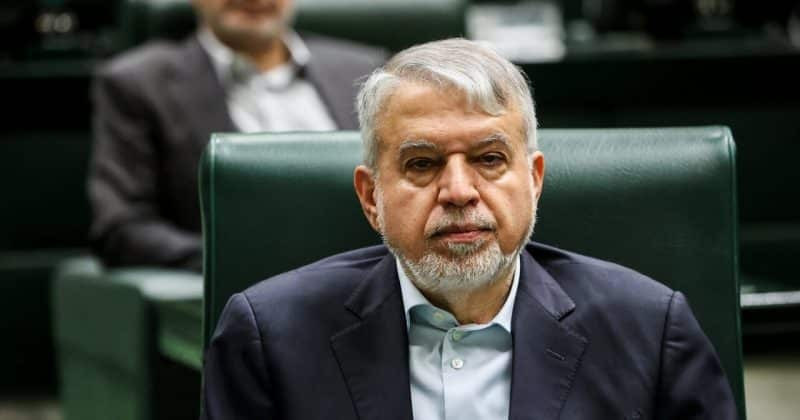
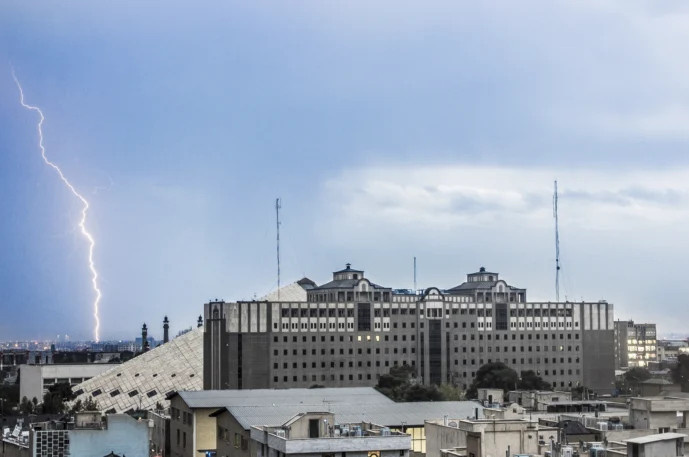
Iranian President Masoud Pezeshkian has returned to Tehran after US military strikes targeted southern Iran, particularly near the Strait of Hormuz, a vital route for approximately 20% of the world's seaborne oil. His return is interpreted by diplomats as a potential indicator of future developments in the region.
The current conflict escalated significantly on February 28, 2026, when US-Israeli operations launched nearly 900 strikes in the initial hours. This situation intensified further on March 1, 2026, with the assassination of Supreme Leader Ali Khamenei. In the aftermath, Pezeshkian has emphasized the need for national unity and engaged with interim leadership structures while pursuing diplomatic avenues.
Market Reading & Resources
Sponsor funding complete. Trade on.
On June 17 and 18, 2026, he proposed a peace framework through a formal memorandum that addressed ceasefires and maritime security in the Strait of Hormuz. This initiative aims to stabilize the region amid rising tensions.
The geopolitical unrest has had a notable impact on cryptocurrency markets. In early 2026, Bitcoin dropped over 4% as tensions escalated, with liquidations across crypto markets exceeding $1 billion in a single wave. However, when Pezeshkian indicated a willingness to de-escalate through diplomatic channels, Bitcoin rebounded, reaching approximately $67,800, reflecting broader gains in equity markets.
Should maritime tensions escalate further and disrupt oil supply, the resulting spike in oil prices could exacerbate inflation and tighten liquidity conditions. A credible ceasefire framework, particularly one that includes maritime security as outlined in Pezeshkian's June memorandum, could potentially trigger a relief rally across various risk assets, including cryptocurrencies.