UBS Forecasts Federal Reserve Rate Hikes, Impacting Bitcoin Outlook
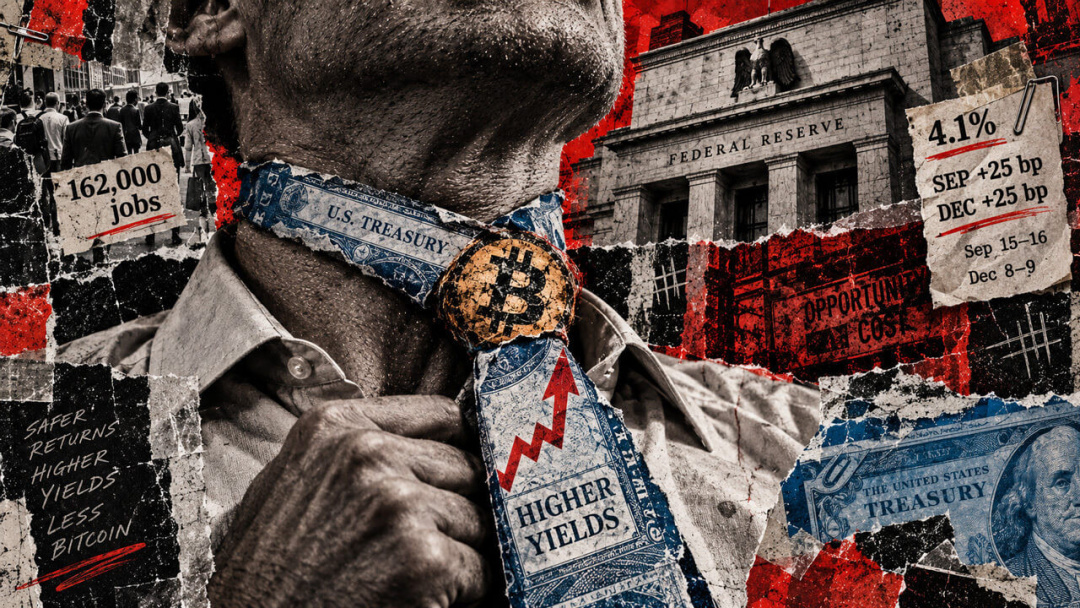
UBS has updated its forecast, now anticipating two Federal Reserve rate hikes this year, which could present a macroeconomic headwind for Bitcoin through December. This outlook extends beyond the upcoming September decision, as investors may need to evaluate the cost of holding Bitcoin against interest-bearing assets until the end of 2026. According to a Reuters report on September 7, UBS Global Wealth Management expects increases of 25 basis points in both September and December, a shift from its previous stance of no policy changes for the year. This adjustment is attributed to robust labor data from August, hawkish communications from the Fed, and inflation risks stemming from supply chain issues.
Market sentiment is already shifting in response to this forecast, with futures indicating a 58% likelihood of a quarter-point hike at the upcoming Federal Open Market Committee (FOMC) meeting, an increase from 52% prior to the jobs report. For Bitcoin, the implication is that heightened rate expectations could sustain Treasury yields, enhance the attractiveness of dollar-denominated assets, and diminish investor appetite for riskier assets.
Market Reading & Resources
Sponsor funding complete. Trade on.
The Bureau of Labor Statistics reported that 162,000 jobs were added in August, maintaining the unemployment rate at 4.1%. This hiring rate surpassed the average monthly gain of 31,000 over the previous year, although the growth was uneven across sectors. For instance, food services and drinking places saw an increase of 59,000 jobs, while local government education added 42,000 jobs, and the information sector experienced a decline of 23,000 jobs.
The resilience of the labor market alters the Federal Reserve's policy considerations. A weakening job market typically increases the pressure to ease monetary policy, while strong hiring allows policymakers to concentrate on inflation control and maintain restrictive monetary conditions. Federal Reserve Governor Christopher Waller highlighted this balance in remarks made prior to the jobs report, suggesting that ongoing progress on inflation could justify holding rates steady, while a surge in inflation could prompt a rate hike.
The jobs report thus strengthens the argument for tighter monetary policy, with inflation becoming the next critical variable for the September meeting. UBS's forecast also suggests that the potential for tightening extends beyond the immediate future, as markets react not only to the next Fed decision but also to anticipated rate trajectories over several meetings.
The Fed's monetary transmission framework illustrates how policy expectations can influence long-term interest rates, asset prices, and exchange rates. Consequently, financing conditions may tighten even before the Fed implements a rate increase. In light of UBS's outlook, Bitcoin faces the risk of enduring restrictive conditions through the end of the year. Elevated expectations for U.S. rates could maintain high yields, making interest-bearing assets more appealing.
The December meeting's implications are significant, as investors will evaluate both the immediate policy decision and the Fed's commentary regarding conditions that may necessitate further rate hikes. Bitcoin, which does not generate interest, becomes less attractive when investors can earn more from safer, interest-bearing investments, raising the opportunity cost of holding it. This dynamic can elevate the threshold for taking price risks, even if an investor's long-term outlook on Bitcoin remains unchanged.
Increased borrowing costs present another challenge, as higher financing expenses can complicate the maintenance of leveraged positions, while tighter financial conditions may deter investors from committing new capital to risk assets. Historical research, including a 2023 IMF working paper, indicates that Fed tightening has historically diminished a common price factor for cryptocurrencies by reducing risk-taking behavior. This relationship underscores Bitcoin's vulnerability to monetary conditions, although the extent of any response remains uncertain until 2026.
As of September 7, Bitcoin was trading around $79,375, according to CryptoSlate data. The analysis of the jobs report by CryptoSlate on September 5 highlighted immediate pressures and upcoming inflation challenges. UBS's forecast introduces a longer-term perspective, suggesting that restrictive conditions may persist through the end of the year.
Bitcoin's market response will depend on investor expectations and demand. If higher rates are already priced in, confirmation may yield less surprise, while demand specific to cryptocurrencies could mitigate some macroeconomic pressures. The next significant test will be the August Consumer Price Index (CPI) report on September 11, ahead of the FOMC meeting on September 15-16. A cooler inflation reading would align with Waller's criteria for maintaining current rates, while a hotter figure would bolster the argument for increased monetary restraint amid resilient employment.
The Fed's communications blackout, which began on September 5 and extends through September 17, limits new policy commentary before the upcoming meeting. Thus, inflation data will serve as the immediate signal, with the committee's decision and projections providing the next major indication of policymakers' views on the necessity for further restraint. Looking ahead, the December meeting is scheduled for December 8-9, with UBS anticipating another rate hike, although the inflation and employment landscape could shift significantly before that decision. For Bitcoin, the crucial question remains whether incoming inflation data will elevate expected rates and whether yields and broader financial conditions will follow suit. A cooler inflation report or a less hawkish Fed assessment could alleviate some pressure, while persistent inflation would lend credence to UBS's two-hike forecast, leaving Bitcoin to navigate a challenging macroeconomic environment.