US Military Strikes Iranian Positions Near Strait of Hormuz
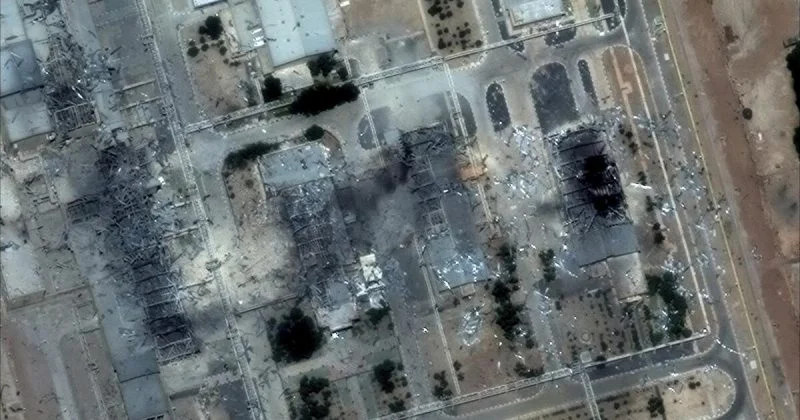
On June 26, 2026, the US military launched strikes against Iranian coastal military positions, specifically targeting missile systems, drone infrastructure, and radar sites in Sirik County and on Qeshm Island. This military action was prompted by an Iranian drone attack on the Singapore-flagged cargo ship Ever Lovely, which occurred shortly before the strikes. US Central Command described the response as a limited act of self-defense, while the Iranian Islamic Revolutionary Guard Corps (IRGC) indicated the possibility of retaliation.
The Strait of Hormuz is a vital corridor for global oil trade, accounting for approximately 20% of the world's oil supply. It is a narrow passage, about 21 miles wide at its narrowest point, and any disruption can have immediate and severe effects on energy markets. Previous incidents in the region had already heightened market concerns, making the recent strikes particularly alarming for oil traders.
Market Reading & Resources
Sponsor funding complete. Trade on.
Iranian state media characterized the US strikes as an act of aggression but emphasized that civilian impact was limited and insisted that port operations continued as normal. This messaging appears aimed at preventing domestic economic panic, although the global market's reaction may differ.
The relationship between cryptocurrency and geopolitical tensions is complex. Historically, spikes in conflict have led to increased volatility in risk assets, including Bitcoin and other cryptocurrencies. While these assets often initially move in tandem with equities during periods of uncertainty, Bitcoin has shown a tendency to recover more quickly than traditional assets during geopolitical crises. Investors may view Bitcoin as a sanctions-resistant store of value, particularly in regions facing economic pressure.
In Iran, there is a documented interest in using cryptocurrency to navigate sanctions, with exchanges like Nobitex facing scrutiny. Escalations that tighten economic conditions in Iran could drive demand for decentralized financial alternatives, even as they attract regulatory attention from Western governments concerned about sanctions evasion.
For investors outside the conflict zone, the immediate concern is the potential disruption of shipping through the Strait of Hormuz. Such disruptions could lead to rising energy prices, which in turn would contribute to inflation. Persistent inflation complicates the Federal Reserve's monetary policy decisions, as interest rate expectations directly influence Bitcoin's performance relative to traditional assets.
Looking ahead, key factors to monitor include whether the IRGC acts on its retaliation threats, if commercial vessels face further interference in the strait, how oil prices react in the next trading session, and how US policymakers frame the incident. The IRGC's history suggests it is unlikely to absorb military strikes without some form of response, which complicates the US's efforts to establish deterrence without escalating the situation further.
As cryptocurrency markets operate continuously, they may react to these developments before traditional equity markets open, making the next 48 to 72 hours critical for investors with exposure to digital assets or energy-related positions.